

Gamers pour countless hours into the latest releases, dissecting every mechanic and visual detail, but there’s a surprising variable rarely discussed: your own setup. The idea that reviewers and everyday players alike are influenced by their tech is more than just a theory; it shapes the scores games receive and the trust others place in those opinions.
Even in our eXputer reviews, we have a specific “Performance” section that contributes towards the final score. After all, choppy framerates can negatively impact the experience. Part of the issue falls on the developers optimizing their games for a wide range of setups, but there’s only so much they can accommodate, leaving your PC specs to do the heavy lifting.
Turning the Tables With Smart Upgrades
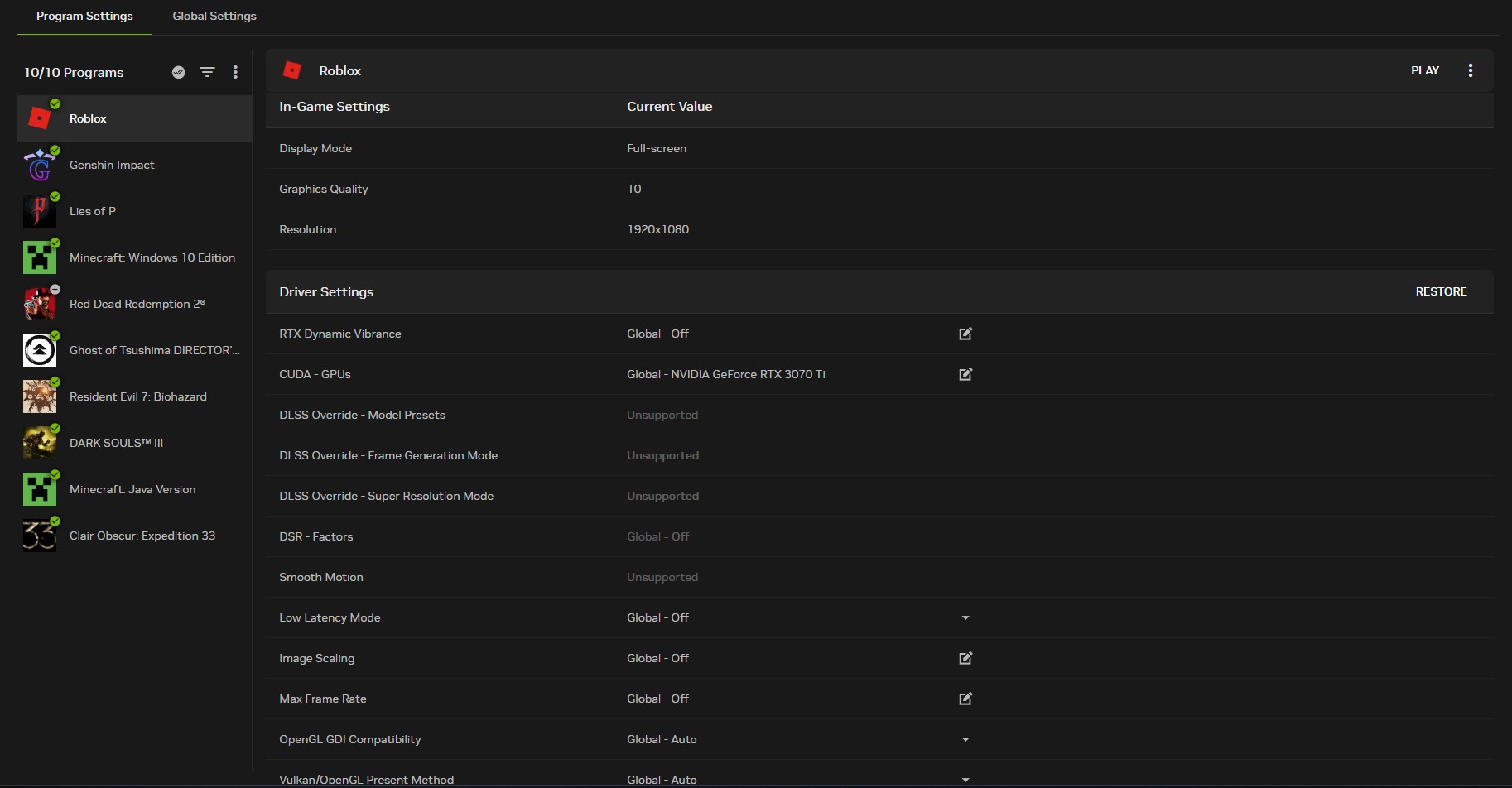
Picture two reviewers diving into a visually demanding title that’s known for its atmosphere and complex mechanics. One is running the game on a modern gaming PC with lightning-fast SSD storage, and the other on dated hardware from five years ago. Performance gaps quickly transform into different experiences; one glides through crowded scenes with high frame rates, while the other hits frustrating stutters.
Subtle lighting, reflections, and expansive zones only leave an impression if the hardware keeps up. Beyond visuals, even things like mouse precision, input lag, and monitor refresh rates quietly steer how controls feel.
To Reviewers: Performance, Stability & Fluidity Should Be Part of the Final Score. Not a Side Note!
byu/MNB4800 inpcgaming
This is where you can analyze and upgrade something easy: your operating system. When you update your OS or unlock extra features by purchasing legitimate upgrades like Win 11 pro keys, you aren’t just following trends; you’re opening the door for faster boot times, richer features, and compatibility with upcoming game tech that old software can’t handle.
Small Changes, Big Differences In Game Perception

Once your baseline is modern enough, notice how every technical upgrade starts to affect what you notice and reward in a review. Improved storage cuts load times, letting you judge pacing differently. High refresh rate monitors transform action sequences into buttery displays that might earn higher praise, while a crowded HUD feels less intrusive with a bigger, sharper screen.
Suddenly, you understand why one reviewer raves about silky animation while another finds it nothing special; it’s about the setup informing the experience. For review readers, this creates a hidden “bias of the hardware.” When scores swing wildly, or someone swears a game is unplayable, it’s often a reflection of technical limits more than the game itself.
That’s why detailed review disclaimers and benchmarking have become more important. Before criticizing a title for performance or visual shortcomings, check what hardware the reviewer used, which OS build was running, and whether common settings like HDR or ray tracing were active.
Upgrading Impacts The General Gaming Community
Serious game critics and streamers know this dilemma well. With so much talk around fairness in reviews, there’s an unspoken shift: those who consistently upgrade are becoming the default for mainstream ratings, which explains why some titles seem “fine” for influencers but struggle on older setups.
Steam Reviews should really have the reviewers hardware specs when they comment on performance.
byu/Sid-Engel inSteam
As game engines and graphics standards leap forward, the gap between experiences gets even wider, quietly creating two different verdicts for launch-day players and late adopters.
Conclusion
Choosing where to allocate your budget, whether that’s a premium keyboard, GPU, or updated software, links directly to better in-game moments and more reliable reviews. Small investments like a new operating system unlock features that developers intended, while hardware boosts reveal the full vision behind a game.
This isn’t about splurging for its own sake, but about getting closer to what the creators envisioned and judging games on a fair and level field.
Thanks! Do share your feedback with us. ⚡
How can we make this post better? Your help would be appreciated. ✍






 Join Our Community