

Story Highlights
- Video games often have amazing stories to tell, but the execution is what matters most.
- A balanced approach to lore delivery and passive storytelling via gameplay creates interesting results.
- Too much influx of information with walls of text and lengthy cutscenes is often counterproductive.
Yes, creative gameplay is the most important thing for me in a video game, but I enjoy a good story just as much as the next guy. Gaming as a medium can accomplish a lot of things all at once, and a strong narrative is one of those. Due to the interactive nature, written dialogues aren’t the only way a game can tell a story; it can be a profound narrative that exists in the background, or be told with the gameplay mechanics as a driving force. This is exactly why I say that the art of storytelling in games is not to be underestimated.
In this digital age, reading text may be a rather older medium, but it’s still mighty powerful. When you’re reading through story chapters and things finally start connecting to the bigger picture, the excitement is just as real. So if you’ve got a craving for some interesting stories, read some novels on FictionMe, but let’s pivot back to gaming for now. Games combine reading with visuals and interactivity, but the way this story is told could be the difference between a boring wall of text and an exciting journey you can’t wait to continue.
Striking A Balance
Storytelling is very important in gaming, and no, it’s not about the story’s quality, but the way it is presented. Strong storytelling can even mask the flaws in game writing, and at the end, the presentation and delivery is what keeps you entertained. So then, what is this “balance” I speak of? Well, let’s take a look at story-rich games and how they do things. You must have noticed two different approaches to storytelling.
Lore-rich games either opt for a passive methodology, which includes cryptic dialogues and item descriptions, collectibles, and secret information across the game world, or practically flood you with active information in the form of cutscenes or mandatory interactions. If you ask me, I have a problem with both these scenarios. For starters, no one does passive storytelling better than FromSoftware, because it takes a lot more than just vague descriptions.
This is why I love FromSoftware. They still choose to focus primary on gameplay and letting the gameplay dictate the story rather than Story dictating gameplay
byu/DarkSouls_simp inEldenring
Passive storytelling is a powerful tool that bolsters world building and character interactions, while keeping gameplay at the front lines. I really like environmental storytelling and detailed lore that needs to be explored and studied, but it’s also true that it can quickly become tedious and redundant. I can totally understand people’s aversion to going out of their way to collect cryptic clues and read through walls of text to understand what’s going on. Which is why its important to keep some of this stuff actively involved in the storytelling as you go.
Too Many Cutscenes Can Ruin It
For games opting for passive storytelling, I think it’s important to keep the player informed of the partial truth in a curiosity-inducing manner. Instead of keeping everything on the down low, some of this lore needs to be actively delivered in a palatable way. You need to be invested in what’s immediately happening, while everything that led up to it and what it implies can be the optional lore hunting for enthusiasts. Passive storytelling doesn’t necessarily need to be all cryptic and vague, but rather the world around you should talk to you as you go.
Anyone else suffering through endless cutscenes?
byu/Marcellus_St_Wilson invideogames
On the other hand, going extra hard on actively delivering every lore point is also a surefire way to bore your audience. I mean, I’m here to play a game, not sit through cutscenes upon cutscenes and characters that just can’t stop talking. Having a good story doesn’t mean it needs to be practically force fed to you. In fact, a good narrative is one that proceeds in a progressive manner and gradually builds interest.
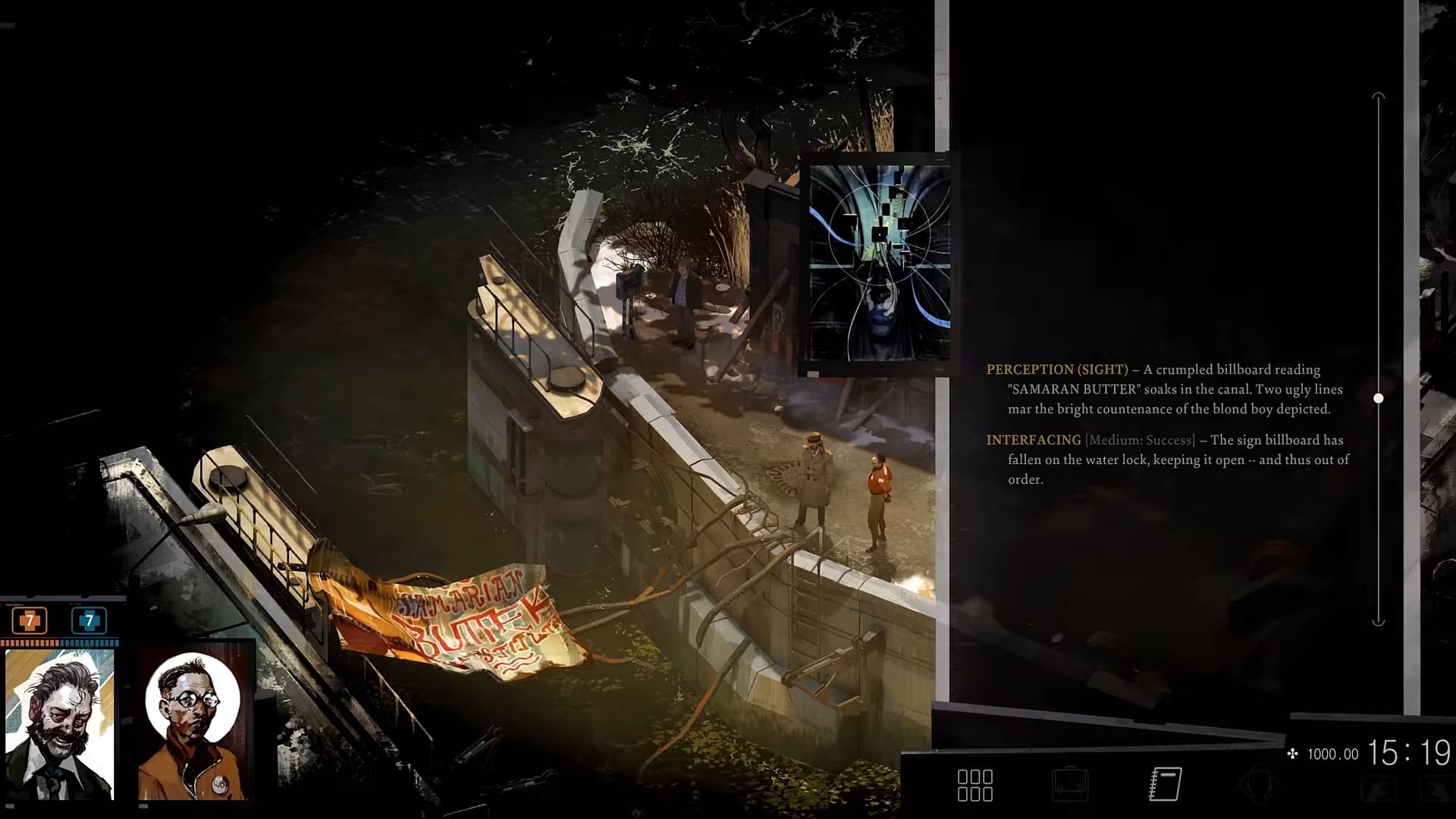
This is exactly why I’ve grown to hate “movie games.” Gaming is a different medium, it doesn’t need to copy a movie’s storytelling. Games have their own strengths, and the narrative delivery should be using these. Nobody likes long cutscenes, even if the plot is good. Gaming should maintain its interactivity, while keeping storytelling an interesting part of the gameplay experience. I think Disco Elysium is a perfect of example of game storyteling done right. I hope we get more engaging stories that neither overload you, nor require too much digging.
Thanks! Do share your feedback with us. ⚡
How can we make this post better? Your help would be appreciated. ✍


 Join Our Community