

Story Highlights
- The digital world of today, be it gaming or otherwise, contributes a lot of electronic waste.
- IT recycling is a sequential process that skillfully analyses, recovers, and then remarkets these devices.
- Between the environmental impact and data preservation, this process has a real need today.
Every multiplayer game you have ever played ran on a server somewhere. Massive racks of hardware humming in data centres, processing millions of inputs per second so your headshot registers, your loot drops, and your raid goes off without a hitch. But what happens when those servers reach end of life? When a game shuts down or a studio upgrades its infrastructure, thousands of machines become obsolete overnight.
The answer, for a growing number of companies, is IT recycling — and it is a much bigger deal than most gamers realise.

The Scale of the Problem
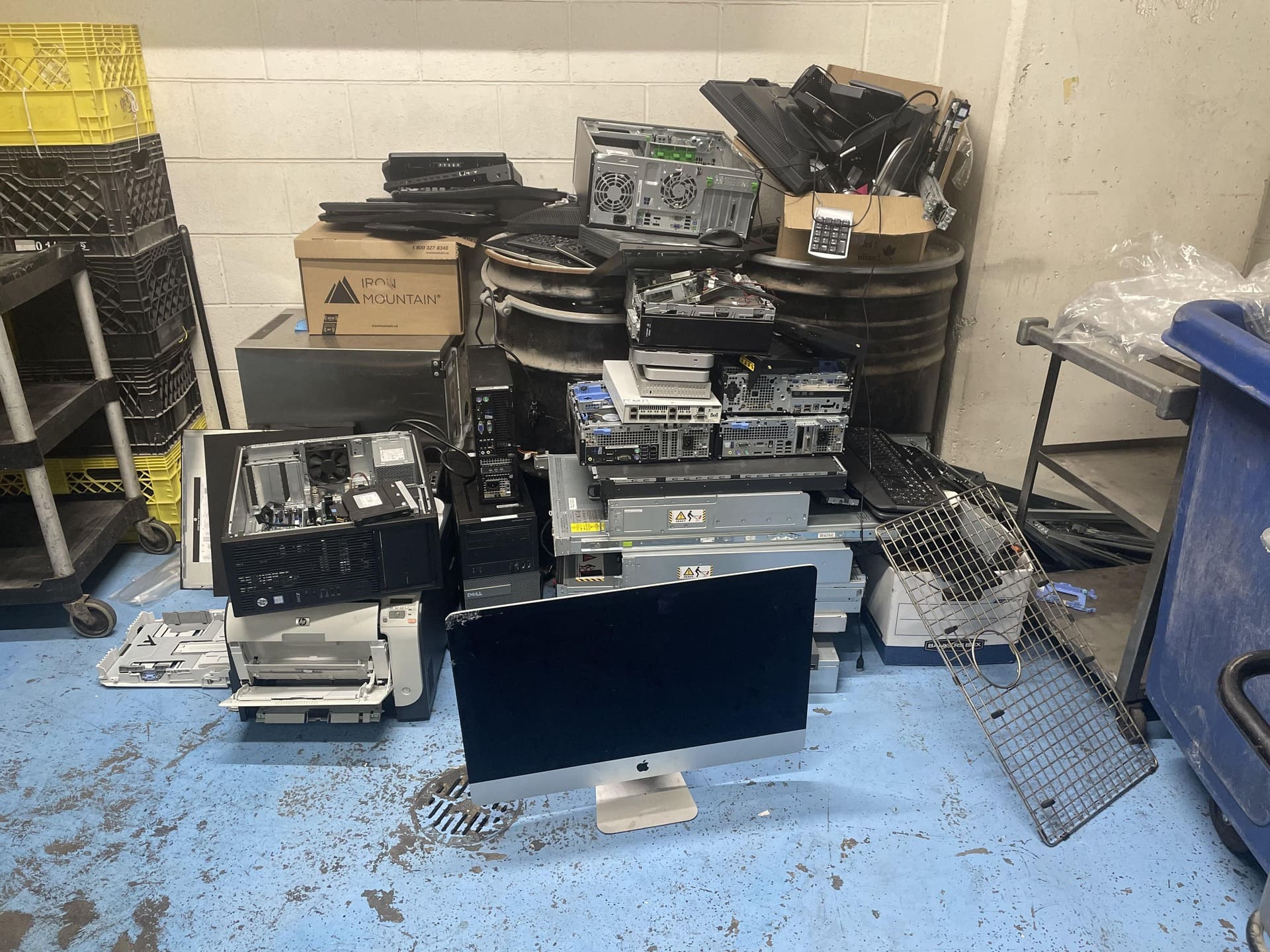
The gaming industry generates enormous amounts of electronic waste. Game studios, cloud gaming providers, and esports organisations cycle through hardware at a rapid pace. GPUs get outclassed within a generation. Server CPUs that once powered battle royale matchmaking become too slow for the next title’s demands. Monitors, networking switches, storage arrays — all of it has a shelf life.
Globally, over 50 million tonnes of e-waste are produced every year, and the tech industry is one of the largest contributors. Gaming hardware, from consumer PCs to enterprise-grade server farms, makes up a significant slice of that figure.
E-waste is something we all should be aware of
byu/OreoPredator inElectricalEngineering
Simply throwing this equipment into landfill is not just wasteful — it is dangerous. Circuit boards contain lead, mercury, cadmium, and other hazardous materials that leach into soil and groundwater. Responsible IT asset disposal is no longer optional. It is a legal and environmental necessity.
How IT Recycling Actually Works
Most people picture recycling as tossing something into a green bin. IT recycling is far more involved than that. Professional IT recycling services follow a structured process to handle everything from old office laptops to decommissioned data centre infrastructure.
Here is how it typically works:
- Assessment — The equipment is catalogued. Working devices are separated from non-functional ones.
- Data Destruction — This is the critical step. Every hard drive, SSD, and storage device is wiped using certified software that meets standards like NIST 800-88, or physically destroyed if required. For gaming companies handling player data, GDPR compliance is non-negotiable.
- Component Recovery — Precious metals like gold, silver, and palladium are extracted from circuit boards. Plastics and metals are separated for recycling.
- Remarketing — Hardware that still works is refurbished and resold, giving it a second life. That retired game server could end up running a small business’s email system.
- Certification — The company receives full documentation proving compliant disposal, creating a complete audit trail.
Companies like PYCO RENEW specialise in this exact process, offering free nationwide collection across the UK with a zero-landfill guarantee. They handle everything from individual office PCs to full-scale data centre decommissioning projects.
Server Recycling: Where Gaming and Enterprise Collide
This is where things get interesting for the gaming world. The servers that run your favourite online games are not consumer hardware. They are enterprise-grade machines — rack-mounted units packed with high-end processors, ECC memory, and redundant storage systems. When a game studio or hosting provider decides to retire a fleet of these machines, the disposal process requires specialist handling.
Server recycling involves securely wiping or destroying all data, recovering valuable components, and ensuring every piece of hardware is tracked from collection to final processing. This is not something you hand off to a general waste contractor. The data on those servers — player accounts, payment information, proprietary game code — makes secure data destruction absolutely essential.
question about server waste from a noob
byu/Itchy_Jellyfish_5709 inservers
Professional ITAD (IT Asset Disposition) providers use Blancco-certified data wiping that meets both NIST 800-88 and UK National Cyber Security Centre standards. Every server gets a certificate of destruction, and the entire chain of custody is documented.
Why Gamers Should Care
You might wonder why any of this matters to you as a player. First of all, your data is on those servers. Every account you have created, every purchase you have made, every message you have sent in-game — that data lives on hardware somewhere. When that hardware is retired, you want to know it is being handled by professionals who take data security seriously, not dumped in a skip behind the office.
Secondly, environmental impact is real. The carbon footprint of manufacturing gaming hardware is massive. Extending the life of components through IT asset recovery and remarketing reduces the demand for new raw materials. Every server that gets refurbished instead of scrapped is a small win for the environment.
And finaly, it affects game preservation. When studios shut down servers without proper decommissioning processes, hardware and data can be lost permanently. Responsible IT asset disposal includes proper documentation and, where appropriate, data archiving.
The Gaming Industry Is Starting to Pay Attention
Major publishers and cloud gaming platforms are increasingly building IT recycling into their operations. Microsoft, for example, has made significant commitments around circular economy principles for its Azure data centres, which also power Xbox Cloud Gaming. Smaller studios are following suit, recognising that responsible hardware disposal is part of being a modern, accountable business.
I think E-waste recycling is one of the most underrated business opportunities right now
byu/fsfdanny inEntrepreneur
Esports organisations are another growing area. Tournament organisers cycle through PCs, monitors, and networking gear at a staggering rate. The infrastructure behind a single major LAN event can fill a lorry. Companies that specialise in IT recycling now regularly partner with event organisers to handle post-tournament hardware collection and processing.
What to Do With Your Own Old Gaming Hardware
This is not just an enterprise concern. If you have got old gaming PCs, laptops, or peripherals gathering dust, the same principles apply:
- Do not bin it. Electronic waste should never go in general household waste.
- Wipe your drives. Use a proper data wiping tool before disposing of any storage device. A factory reset is not enough.
- Use a certified service. Many professional IT recycling companies accept consumer hardware as well. Some offer free collection with no minimum quantities.
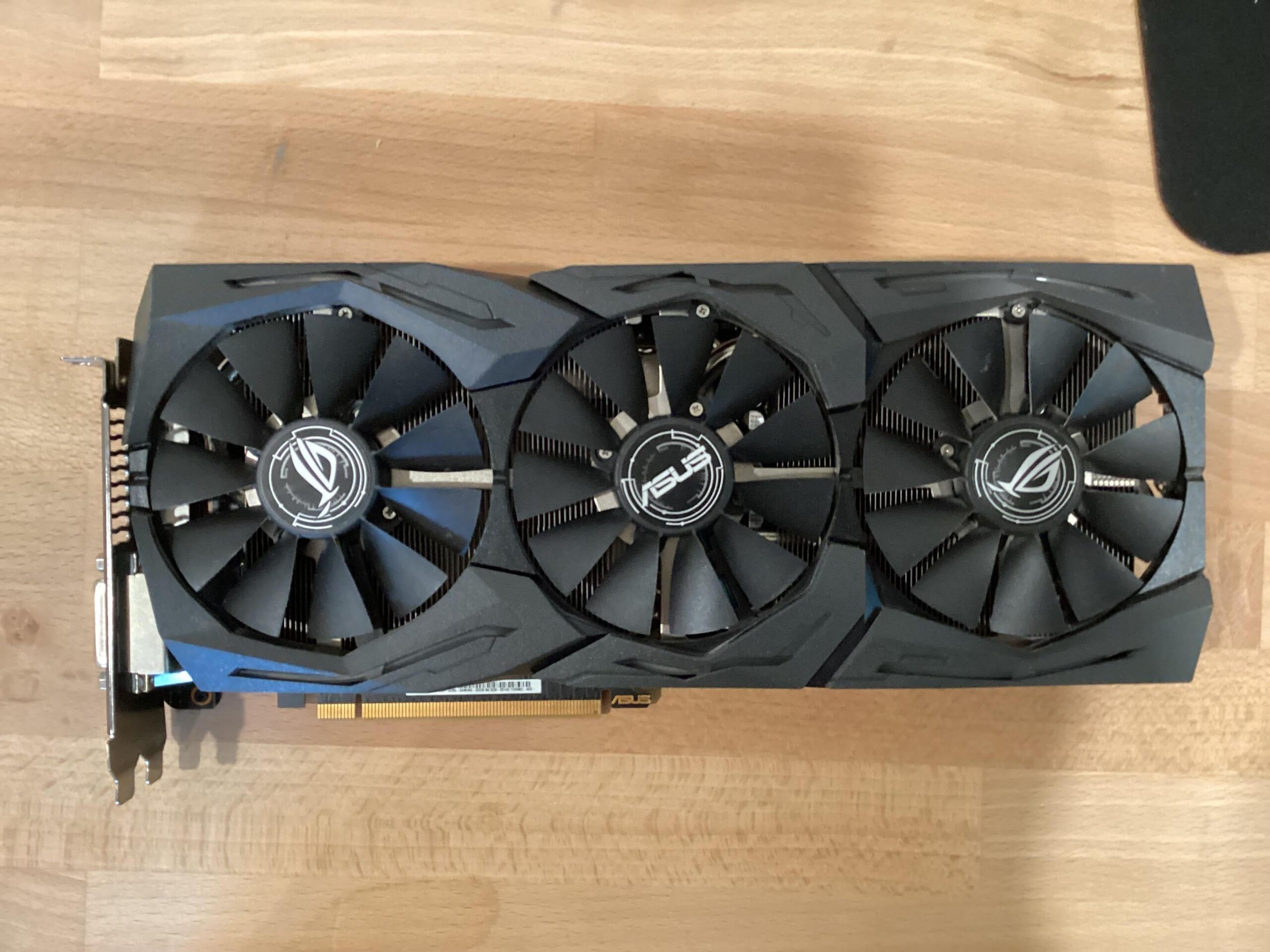
- Consider resale. If your hardware still works, platforms exist to sell or donate it. One person’s old GTX 1080 is another person’s upgrade.
The Bottom Line
The lifecycle of gaming hardware does not end when the power gets switched off. From the server racks running your favourite MMO to the PC under your desk, every piece of technology has a responsible end-of-life path. IT recycling, server recycling, and professional IT asset disposal are the systems that make that happen.
As the gaming industry continues to grow — and continues to consume enormous amounts of hardware — the companies handling the back end of that cycle matter more than ever. It is a part of gaming that rarely makes the headlines, but it keeps the industry sustainable, secure, and compliant.
Next time a game you love shuts down its servers, spare a thought for where those machines end up. With the right partners, they do not go to waste.
Thanks! Do share your feedback with us. ⚡
How can we make this post better? Your help would be appreciated. ✍





 Join Our Community