

The CS2 ecosystem relies heavily on third-party digital economies, where players engage in trading, buying, and selling assets and skin collections outside of the Steam Community Market. Because virtual items carry significant real-world value, choosing a platform that balances feature depth with strong protection is paramount.
- Trading platforms fall into two main models: automated bot-based exchanges for speed, and peer-to-peer marketplaces for direct control and often better pricing transparency.
- Fees scale with item value, so a platform that’s cheap for rare, high-tier skins can be expensive for low-value ones (and vice versa).
- Before doing a trade, look for SSL encryption, 2FA, Steam API integration, and escrow protection before trusting a platform with your inventory.
- Liquidity affects how fast you can actually cash out, so high trading volume and automated fulfillment matter more than a flashy interface if you need quick trades.
To help navigate this landscape safely, traders often seek out specialized promotional offers, like the dedicated SkinsMonkey free cs2 skins page, to build inventory value without financial risk. Similarly, there are other ways to evaluate the industry’s leading platforms based on empirical metrics of safety and trading efficiency.
The Best CS2 Skin Trading Platforms at a Glance
CS2 skin trading platforms vary significantly in execution speed, security infrastructure, asset liquidity, and fee structures. Finding the optimal marketplace requires evaluating how a service processes trades, whether through automated bot inventories or direct peer-to-peer coordination, alongside its underlying security protocols.
Platforms are ranked using empirical operational data collected from active trading volume, fee structures, regulatory compliance, and user feedback metrics. This independent review methodology evaluates platforms strictly on their technical features and safety records.
My evaluation criteria for these platforms considered:
- Security Standards: Implementation of SSL encryption, two-factor authentication (2FA), and secure Steam API integrations.
- Market Liquidity: The volume of active listings and the speed of automated trade fulfillment.
- Fee Transparency: Clear disclosure of seller commissions, buyer markups, and cash-out processing fees.
1. SkinsMonkey
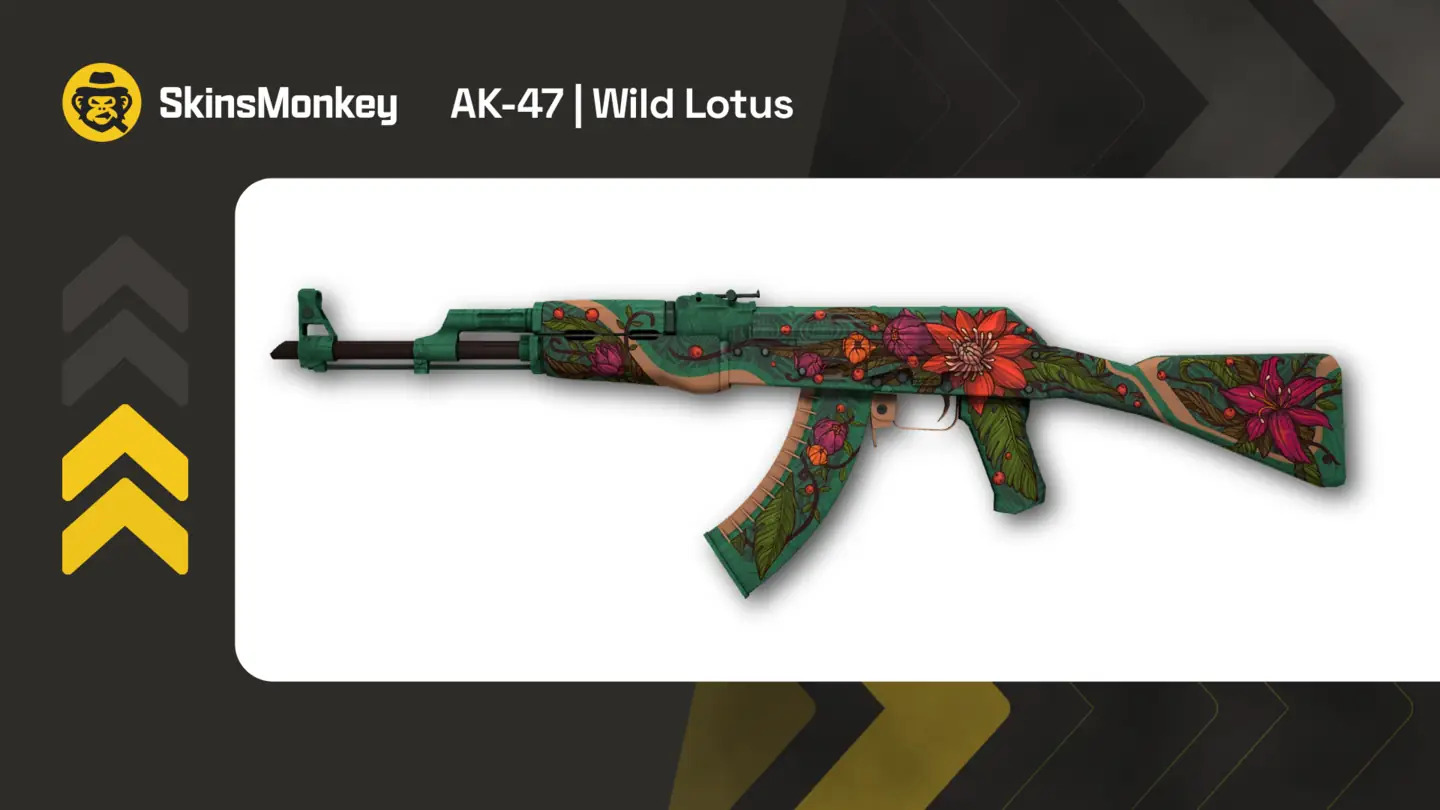
SkinsMonkey is an automated, bot-based CS2 skin exchange platform designed to provide instantaneous, highly secure item swaps. By utilizing automated trade offers, it eliminates the processing delays associated with traditional peer-to-peer buyer matching.
The platform operates on a streamlined bot-trading architecture that supports CS2, Dota 2, and Rust inventories. It features a 99% skin acceptance rate, allowing users to trade away low-value items that competitors often reject.
Additionally, it provides regular promotional incentives, including opportunities to acquire free cs2 skins through daily on-site tasks and giveaways.
- Instantaneous skin-to-skin trading.
- Excellent 35% deposit bonus structure.
- Highly intuitive interface.
- Focuses on fast in-platform exchanges with built-in spread fees varying by item.
- No direct withdrawals to traditional bank accounts.
2. TradeIt
Tradeit is a highly established bot-based skin exchange platform running since 2017 and focuses heavily on multi-game asset liquidity. The system automates item exchanges to let users trade out of older inventories instantly.
It supports continuous, high-volume automated trading across CS2, Team Fortress 2, Rust, and Dota 2. It integrates extensive cryptocurrency payment gateways alongside traditional gift card deposit methods. Secured via Steam Guard integrations and automated bot escrow channels, Tradeit maintains a clean multi-year operational record with zero major security breaches.
- High liquidity across multiple titles.
- Fast trade fulfillment.
- Trade-based spread pricing can be less transparent than direct cash marketplaces.
- Smaller high-tier rare inventory.
3. DMarket
DMarket is a comprehensive hybrid marketplace utilizing advanced database structures to track virtual item ownership across a global trading platform. It caters primarily to high-volume bulk traders seeking low transactional overhead.
The platform features a dedicated P2P ecosystem combined with instant sell options for immediate cash-outs. Its transactional architecture offers low 2% fees on highly liquid CS2 items. Operating out of the United States, DMarket enforces strict Know Your Customer (KYC) guidelines and utilizes multi-layer fraud detection systems to secure transactions.
- Highly competitive seller fees.
- Excellent API infrastructure for automated bulk trading.
- Robust legal compliance.
- Interface is complex for beginners.
- Customer service response times vary.
4. Skinport
Skinport is a premium, European-based peer-to-peer skin marketplace celebrated for its exceptional UI design and strict adherence to European financial safety regulations. It acts as an escrow agent to guarantee user protection.
Based in Germany, the company is fully GDPR compliant and operates under rigorous EU consumer protection laws, offering the highest public trust score in the industry. Skinport lists items directly from user inventories while displaying high-resolution screenshots, float values, and historical pricing charts. It charges 0% buyer fees, making listed prices fully transparent.
- Impressive 4.9/5 Trustpilot rating.
- Zero buyer fees.
- Direct bank payouts via secure SEPA channels.
- Seller fees scale up to 12% for items valued under $150.
- Items remain subject to standard Steam trade holds.
5. SkinBaron
SkinBaron is a marketplace platform originating from Germany that prioritizes institutional security and legal transparency above all else. It serves as a reliable marketplace alternative for continental European traders. This one specializes in processing secure marketplace listings with integrated escrow protection. While its baseline seller fee is high, it slashes rates to 1% for high-value items.
The marketplace enforces strict escrow safety procedures, verifying every transaction through regional banking standards to guarantee funds and protect user accounts. Therefore, this option is best for European players transacting rare, high-value items who require total legal protection.
- Strong regulatory backing.
- Excellent marketplace security structures.
- Reduced 1% fees for high-tier assets.
- Standard 15% marketplace fee is non-competitive for low-value items.
- Slower UI compared to the competition.
Conlusion
Choosing the right CS2 skin trading platform depends on your specific priorities. Always remember that account security is an ongoing practice: protect your Steam API credentials, enable mobile authentication, and verify every trade before final confirmation.
Thanks! Do share your feedback with us. ⚡
How can we make this post better? Your help would be appreciated. ✍




 Join Our Community