

Case battles have started popping up recently in CS2, engaging players in arguably one of the most widespread in-game monetary ecosystem there is. For those unaware, case battles are a head-to-head, round-based competition where you select the number of rounds, the PvP format (1v1, 2v2, or some other), and begin opening cases simultaneously alongside the opponent. The player or team with highest combined item value across all rounds wins every item from all participants.
- Case battles in CS2 are a round-based competition where you open cases side-by-side against a player or bot, and the person with the highest case value in the end takes all the rewards, including the competitor’s.
- Players can organize these battles with friends by clarifying the rules, documenting agreements, and recording results throughout the rounds.
- Case battles are organized by various non-official CS2 case-opening websites, each with their own pre-defined rulesets.
- Players can distrubite the rewards at the end of the match in either a winner-takes-all, contribution-proportional, or a hybrid format.
The outcomes of every case opening are completely random, naturally, so there’s no set “strategy” to winning the game. The more important discussion is how to organize this competition with your friends i.e. people you actually want to play with for a fun time. While the rules are simple and there’s no major backhand knowledge needed to participate, there are some nuances and finer details to note to make the experience truly worthwhile.
How To Organize Case Battles In CS2
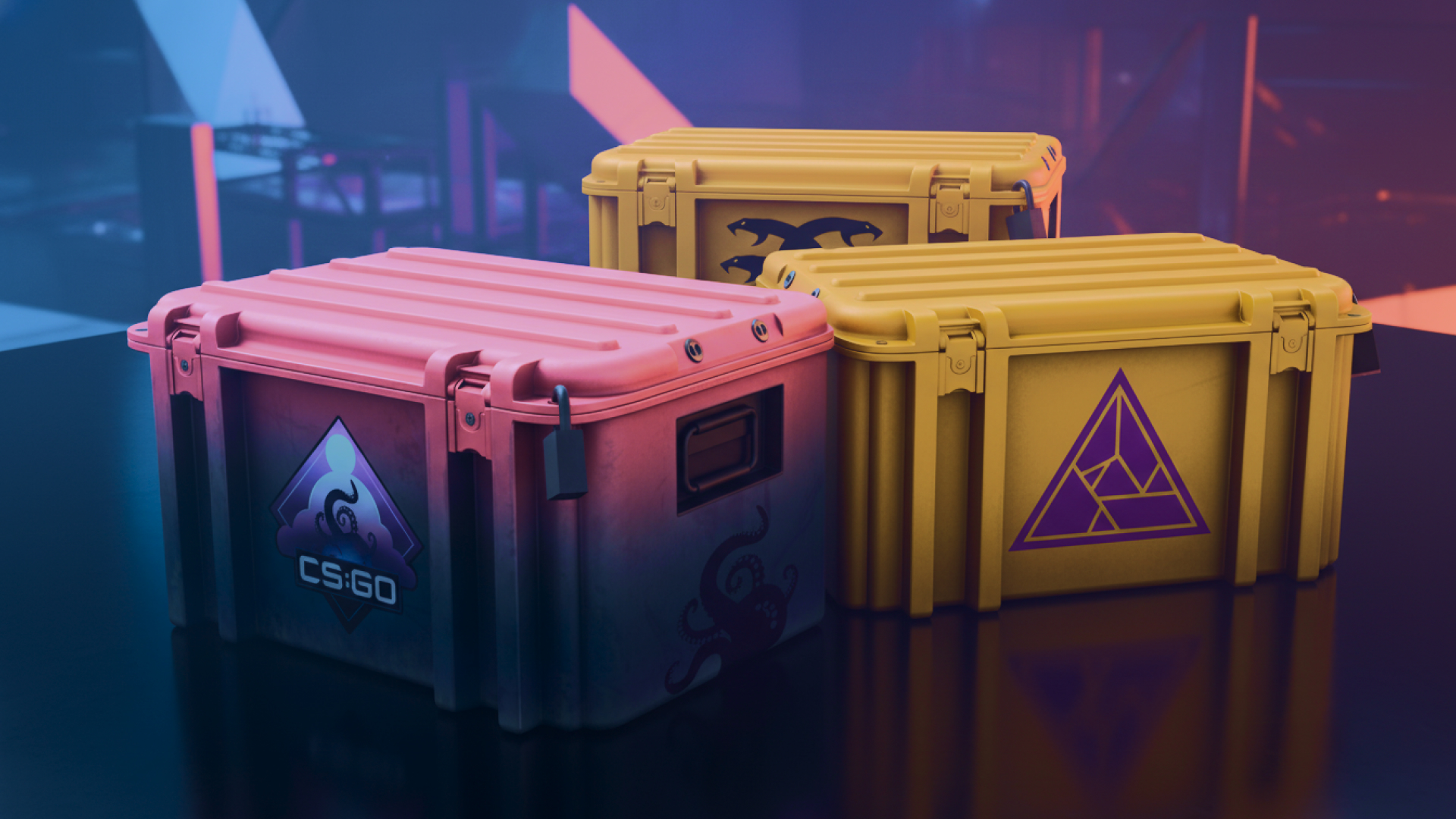
The format of group case battles combines gameplay and team interaction. Already at the planning stage, it is important to consider platform rules and participation mechanics from hosted sites like csgo case key-drop.com to avoid misunderstandings and establish transparent conditions in advance.
Organizing case battle setups starts with selecting participants and defining the ruleset. It is essential to agree on the conditions beforehand to avoid discrepancies. Agreements are best documented in a shared chat or file so you can reference them later on should the need arise. A key stage is forming the prize pool. Participants must understand contributions and how winnings will be distributed. This directly affects trust and future participation.
The main elements of the agreement include the battle format and number of rounds, each participant’s contribution, the reward distribution model, the method of recording results, and the payout process with timelines. This approach ensures transparency and reduces the likelihood of disputes.
When it comes to the distributing rewards, the simplest method is definitely winner-takes-all, ideal for small stakes and short battles. It’s tried-and-tested, self-explanatory, and usually the standard for these events.
A more flexible option is proportional distribution based on contribution or round results. This reduces tension and makes the format more predictable. With high trust, you can even engage with hybrid models and see how that pans out. Ultimately, however, the choice depends on trust and complexity. The more complex the battle, the more important it is to agree on rules in advance.
How To Practice Case Battles
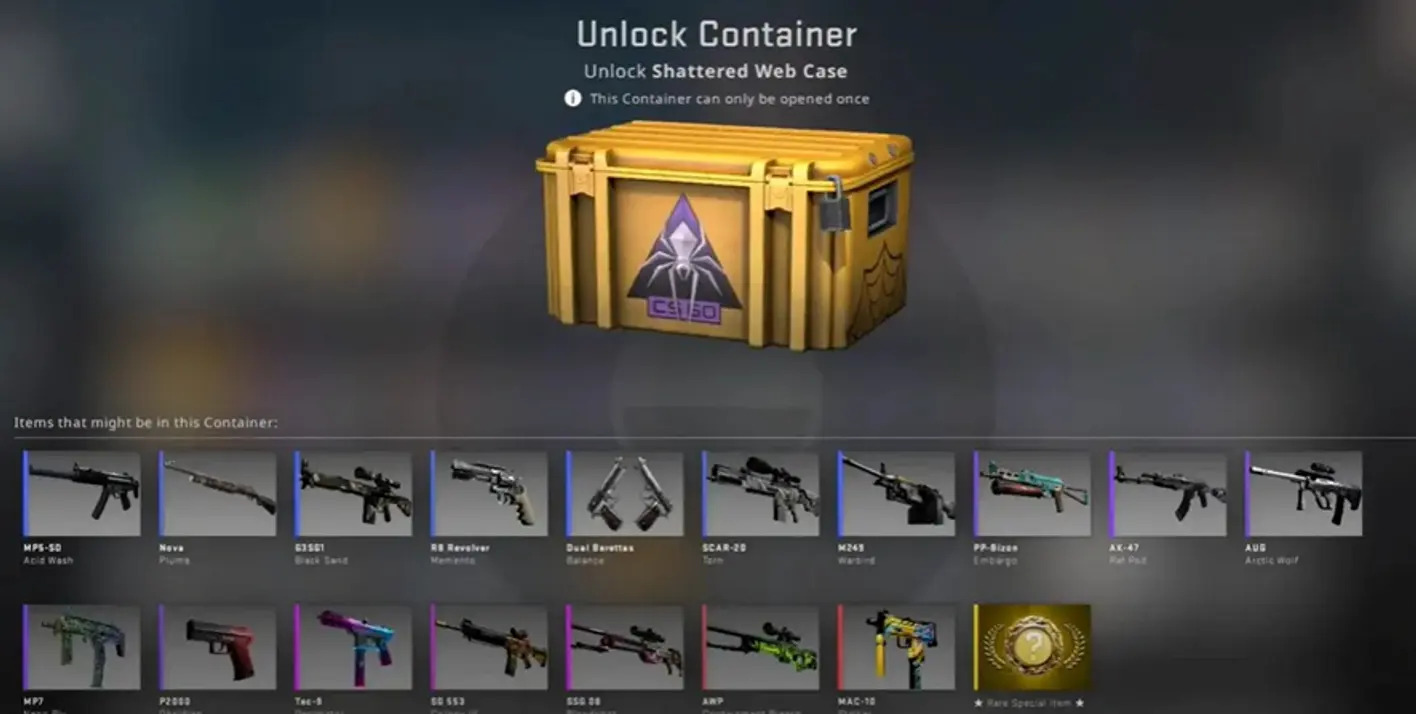
In practice, CS2 battles with friends require control at every stage. Most mistakes occur due to unclear conditions or lack of attention, which is fairly typical for a casual competition like this.
Before starting, it’s important to ensure participants are ready, confirm rules, and make sure everyone understands the mechanics. During the battle, you should record the results at every stage to track what’s happening – the reliable way to do it by setting up “checkpoints”.
These checkpoints include verifying conditions before the start, recording each round, confirming final results, agreeing on payouts, and closing the process with confirmation from all participants. This approach minimizes risks and maintains trust.
Conclusion
Successful CS2 case battles as a group rely on transparency, simple rules, and trust. When these are in place, the format becomes sustainable, and the art of case opening becomes even more special and thrilling than it already is.
For consistency, it is important to stick to one model, record results, and analyze each battle. This helps improve the process. The optimal strategy is to start simple, test the format, and gradually scale. This allows building a stable system without conflicts.
Thanks! Do share your feedback with us. ⚡
How can we make this post better? Your help would be appreciated. ✍



 Join Our Community