

Story Highlights
- Opening cases is still one of the most exhilarating aspects of CS2.
- The market and culture remain healthy thanks to their natural appeal and widespread support.
- The economy’s integration with third-party sites also brings major innovative potential.
Cases and the overall skin culture around CS2 are arguably just as popular as the game itself, not only in appeal but also in familiarity. Despite its widespread controversies and negative framing, the community has never truly swayed from its habits. In fact, some may argue that the press actually invited a large portion of naysayers to learn and even stay in the ever-growing market.
Carrying over from when we were still playing CS:GO, the culture didn’t reset when Valve rebranded the game as CS2 in September 2023. Every skin carried over, float values preserved, and the trading ecosystem kept running without interruption. Players who had invested years into their inventories saw their collections validated rather than wiped.
The Psychology And Persistent Appeal Behind Case Opening
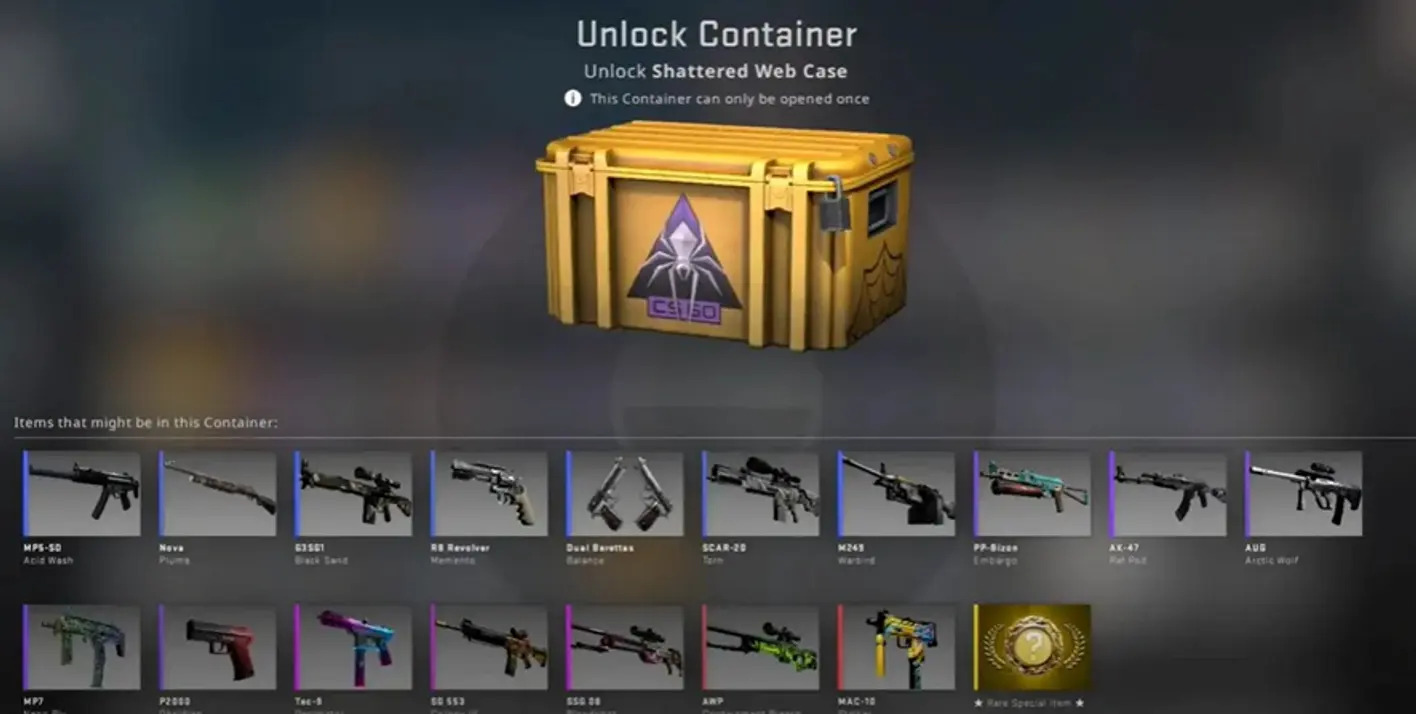
CS2 skins and cases launched in August 2013, and the most valuable ones, such as the Souvenir AWP Dragon Lore, have sold for over $150,000 on third-party markets. That’s not a novelty statistic, and it, in fact, reflects a genuine secondary economy with real liquidity. Skins function partly as collectibles, partly as status signals within lobbies, and partly as speculative assets that some players trade seriously.
When we involve real-life psychology, behavioral researchers documented that a variable-ratio reinforcement schedule produces the most persistent engagement patterns. Case opening, as you may imagine, exploits this cleanly. You never know if the next case holds a factory-new AK-47 Redline or a $0.03 Tec-9 sticker. The uncertainty is the product, and the willingness to focus on the jackpot is the driving factor.
What distinguishes case-opening sites from other risk-reward means, at least psychologically, is that the “loss” still yields a tangible digital item. Players rarely walk away with nothing; they walk away with something that has a market price, even if it’s $0.08. That softens the loss perception significantly.
Drops and collections tied to CS2 Major tournaments create predictable demand spikes. When the 2024 Copenhagen Major dropped its souvenir packages for CS2, third-party sites that listed major-specific cases saw traffic jumps of 30-40% in the surrounding two weeks, based on data shared by several mid-size platform operators at the time. FOMO (fear of missing out) is a genuine driver here, not a cliche.
The Role Of Valve And Other Third-Party Sites To Reinforce The Economy
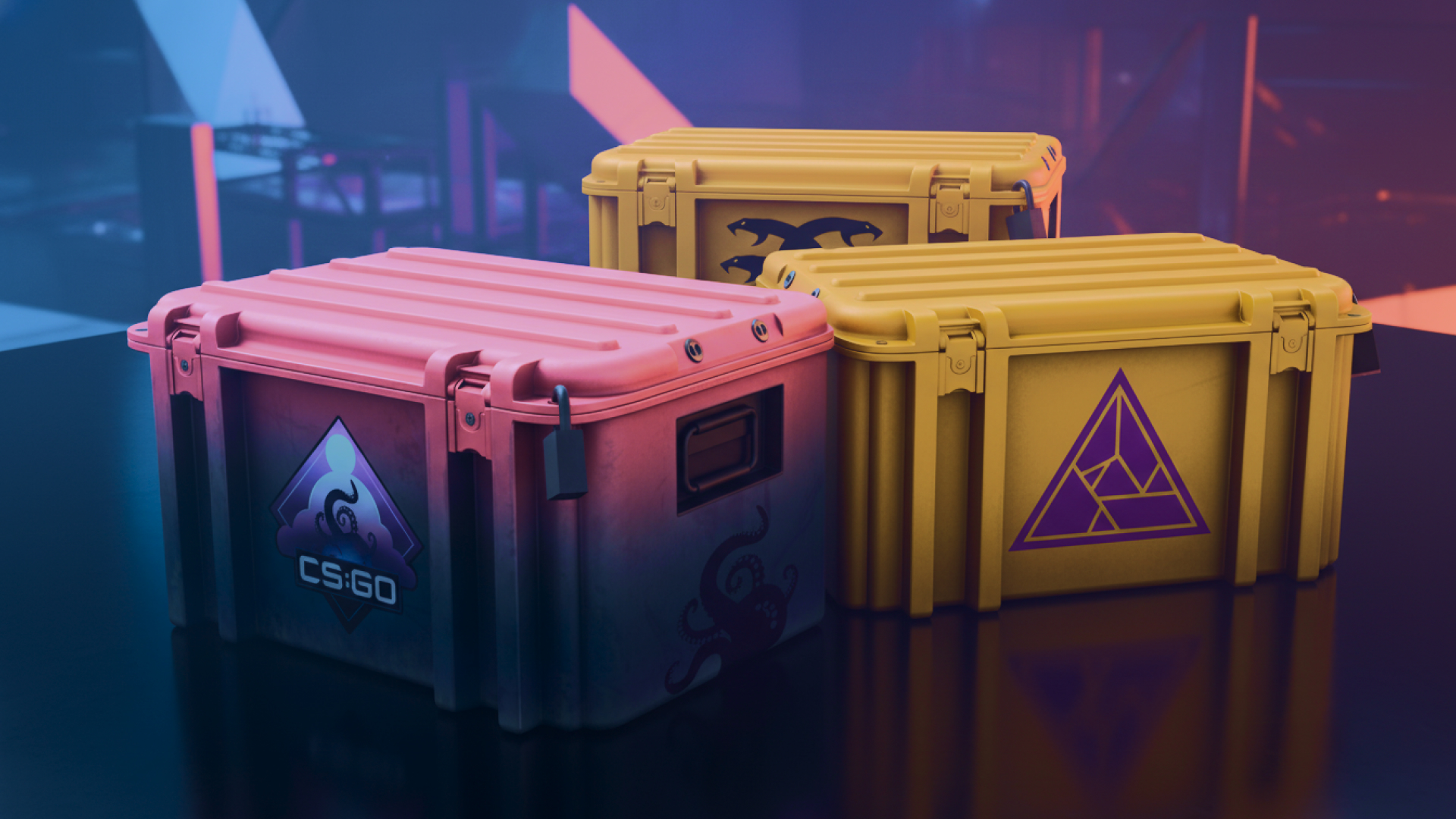
Valve’s transition from CS:GO to CS2 could have reset everything, but the team’s care for preservation saved it from that fate. To the trained eye, however, this was a deliberate business decision, since the skin economy generates Valve approximately 15% of every Steam Market transaction in fees. Killing it would have been financially irrational.
Instead, CS2 launched with improved skin rendering (the new lighting model made StatTrak surfaces look noticeably better), which actually increased demand for premium items.
Steam’s marketplace is convenient but constrained: no cash out, no peer-to-peer deals above $400, and no integration with outside payment systems. Third-party sites circumvent all three restrictions. Many accept cryptocurrency, PayPal, and even gift cards, giving users genuine liquidity that Valve’s walled garden doesn’t permit.
What Third-Party Sites Offer That Valve Doesn’t
However, once you step outside the “official” Valve ecosystem, things are held to an even tighter degree by third-party sites. One example is the provably fair systems they bring, which is the most technically significant differentiator.
Legitimate third-party platforms use cryptographic provably fair algorithms: the server generates a seed, hashes it, shares the hash with the player before the roll, and then reveals the seed after. The player can independently verify that the outcome wasn’t manipulated. For reference, Valve’s in-game case system offers no such transparency, so this is actually a stronger trust proposition than the official developer’s opaque system.
Additionally, Valve’s default case odds for a covert item sit around 0.64%, which is publicly documented in their item drop disclosures. Several reputable third-party platforms publish odds that are equal or slightly better for their custom cases, and layer on deposit bonuses ranging from 5% to 15% for first-time users.
Platforms listed among the best CS:GO case opening websites also tend to offer custom case curation, letting players open themed collections unavailable anywhere in the base game.
Conclusion
As a result of a deeply integrated economy system functioning like clockwork and supported by hundreds of sites, we end up with a massive variety of groups engaging with these systems.
The user base splits roughly into two groups. Casual players, often 16- to 24-year-olds with limited budgets, use case sites for entertainment, making small deposits ($5-$20 per session). Skin traders, a smaller but higher-value segment, use case openings strategically to acquire specific items at below-market rates or to speculate on the value of upcoming collections.
The discourse around loot boxes peaked around 2018, and most observers expected CS’s case culture to fade under regulatory pressure. Somehow, it didn’t. Why? The short answer: skin culture never died, CS2 kept the item economy intact, and third-party platforms kept innovating with both their cases and systems while Valve kept its policies stable and consistent.
Thanks! Do share your feedback with us. ⚡
How can we make this post better? Your help would be appreciated. ✍






 Join Our Community