

Story Highlights
- Free-to-play games are some of the biggest hits in the industry, primarily due to these requiring no purchase.
- The games we play have grown to track player behavior and patterns, formulating an entire digital profile.
- There are ways to negate privacy invasions in video games, should you choose to entertain them.
There is no way you haven’t found free-to-play games attractive enough to download them onto your relevant system and get right into them. The appeal of no price point is alluring enough, and when developers decide to slap on some quality onto them as well, you know you’re not going anywhere else anytime soon.
Of course, I’m talking about the likes of Apex Legends, Overwatch 2, Genshin Impact, and so many other high-quality titles that require no upfront purchase, same from a gazillion in-game microtransactions, but when it boils down to it, really, are these games truly free to play?
The short answer is yes, but the long answer is no.
What Is The Real Currency In Free To Play Games?
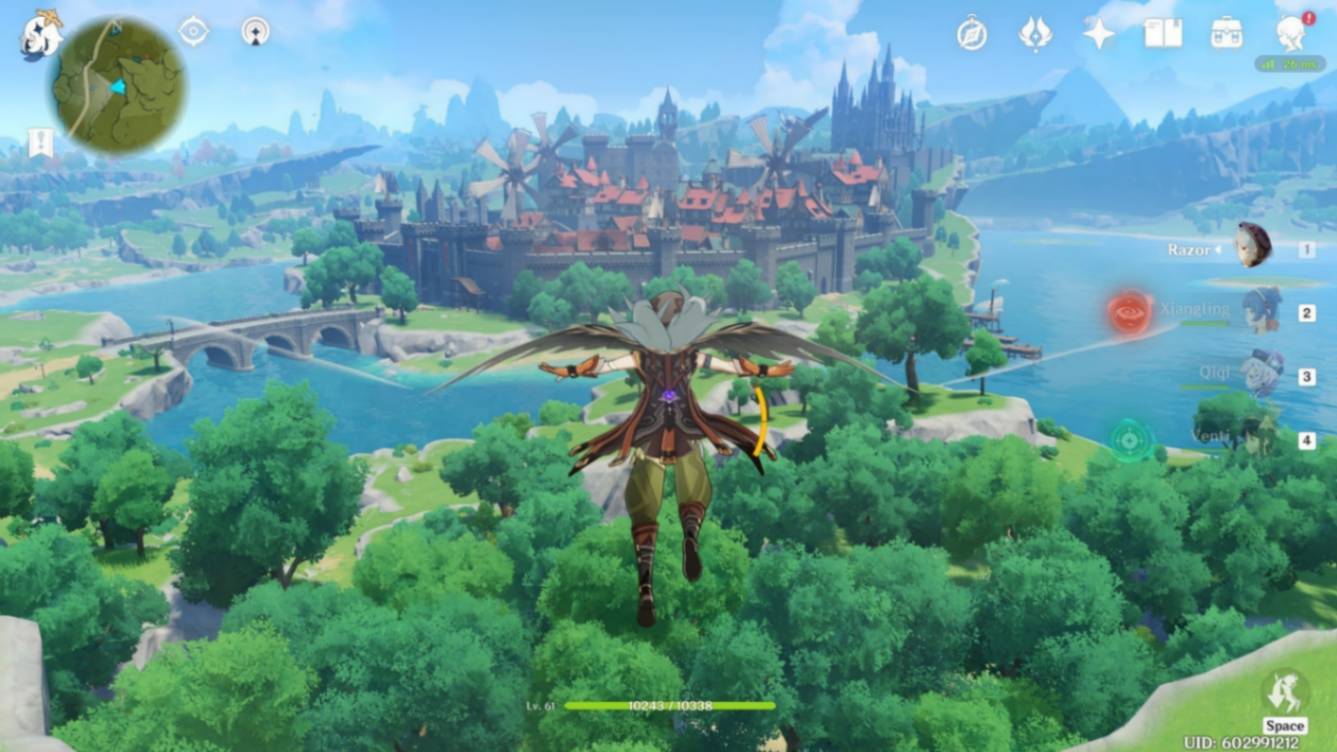
One thing you should remember whenever you boot up an F2P game is that it has always been about money in this world, and it’s always going to be. If a game is not asking for money outright, it’s doing so in a way that the player can’t easily see.
Now, the key here is player gameplay patterns, and the data that forms because of it. Games actually track player data to figure out the spending habits of players, so it’s able to direct the gamer to make more in-game purchases. Doing so gives the developers the information they need to deeply understand player interaction.
This information usually revolves around how long each session is, the type of characters or in-game items utilized by the player, what type of pages you spend the most time on when interacting with the store, and even cues that trigger you to stop playing.
Another major tracking point pertains to the Battle Pass in certain games, which has skyrocketed in popularity due to its addictive nature and how players interact with it on a day-to-day basis.
For example, if data shows players tend to buy Battle Passes near season-end, devs may introduce time-sensitive rewards to encourage early purchases.”
How To Go About Taking Better Care Of Your Privacy
While it’s impossible that, as long as you’re playing the game, you have some hope of negating your privacy concerns by a hundred percent factor, there are ways, however, to mitigate the issue. First off is something like the Incogni privacy tool discount that can essentially prevent your online presence getting digitally cloned and then sold off to a data company.
Oh, and you also leave trails behind in games where location access is encouraged. Sooner or later, the games discover sensitive location data, so do try to keep that type of feature off the next time you boot up an F2P and location isn’t mandatory to toggle.
Conclusion
Free to play games may have gigantic appeal, but do understand that these come at a hidden cost that you don’t realize until it’s too late. With that being said, it bears saying that many games spend their entire lives not spending a dime on online games, so it does genuinely fall down to you how you decide to approach free-to-play titles.
However, one must understand on the same side that free-to-play titles are put together with a careful design in mind, nurturing an ecosystem where the real success for the developer is getting the gamer to stretch their wallets thin.
Thanks! Do share your feedback with us. ⚡
How can we make this post better? Your help would be appreciated. ✍







 Join Our Community