

Story Highlights
- Modern gaming has brought several new trends over the course of the past few decades.
- One of those trends that has picked up heat revolves around skins, which are mainly cosmetic.
- The culture around skin collections has grown with players’ need to express themselves.
Gamers everywhere have had it drilled into them: in-game skins are just pricey vanity items, nice to look at, pointless otherwise. This myth persists even as skins continue growing in popularity, traded by millions and fueling a thriving digital marketplace. What’s missing from that old view is what skins actually represent today: personal style, social clout, and the ever-changing way players interact with games.
The Real Value Behind Skins: It’s Not Just About Flash
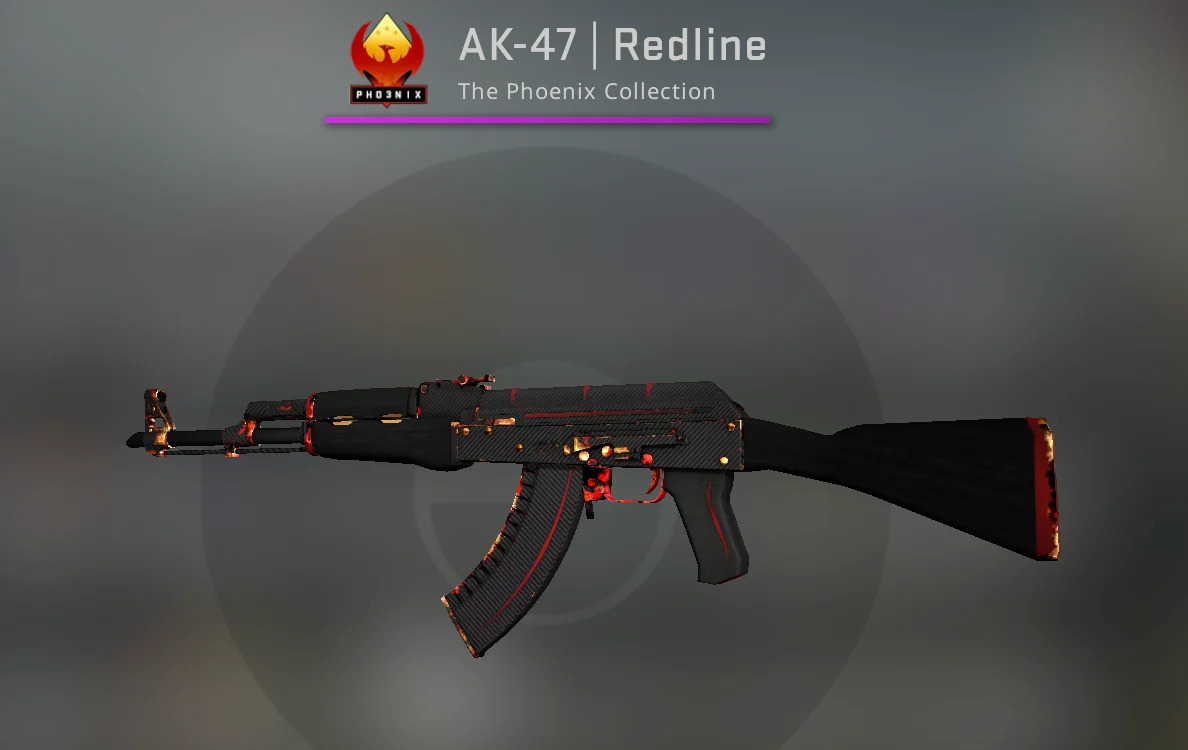
A common misconception is that paying for an in-game look is about showing off or wasting money. The truth is, skins have become a digital extension of a player’s personality, no different than swapping sneakers or customizing a smartphone case.
Social spaces in games have evolved into hangouts, and unique looks create instant recognition. A rare skin can spark conversation, inspire teammates, or simply help a player stand out in a crowded lobby.
The market for digital aesthetics is vast, but price points can surprise new buyers. For instance, many assume cheap CS2 skins must be inferior or fakes, when they’re actually affordable due to supply, demand, and safe trading platforms. It’s this accessibility that invites more gamers to join the trend, letting even budget-minded players flex their taste.
Digital keys and digital skins often raise the same questions: why can prices seem so low compared to official platforms? The answer is usually a mix of regional pricing differences, merchants buying in bulk, flash promotions, and the efficiencies of digital distribution. A digital marketplace like Eneba lists products with clear regional info and instant code access, helping gamers find deals without the guesswork.
Skin Trends Are Setting The Pace For Digital Self-Expression
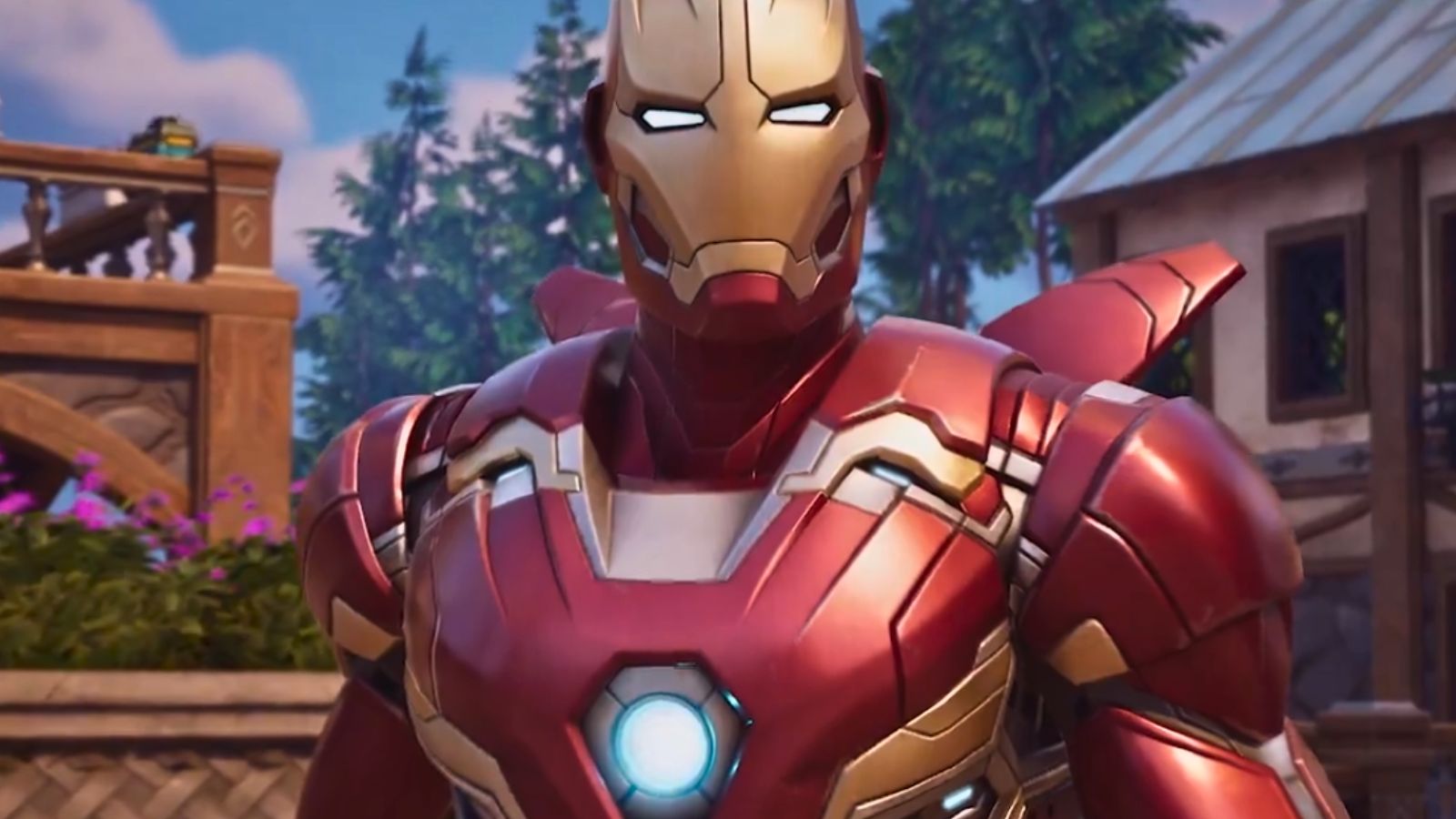
Another myth says skins are fleeting fads that won’t last, yet the evidence shows the opposite. Developers now design games with intricate skin systems, from battle royales to strategy sims. Skins evolve with holidays, esports collaborations, and player voting, making each season fresh. Owning a legendary item can mean more than rarity; it could mark victory in a special event or proof of early loyalty.
That broad appeal is why community-run markets and official stores constantly update their catalogs. Players become curators of their own collections, hunting for deals on tomorrow’s coveted designs or picking up affordable styles that fit today’s mood. Even older games see a surge in activity when vintage or meme-worthy skins become the latest conversation starter.
Digital style is only getting more creative, and the community’s focus on unique skins shows no sign of fading. That shift toward accessible, personality-driven customization is already visible on platforms like Eneba, where the latest and most affordable gaming looks are never far away.
Thanks! Do share your feedback with us. ⚡
How can we make this post better? Your help would be appreciated. ✍



 Join Our Community