

Story Highlights
- Modern gaming has given rise to a plethora of new trends over the course of the past few decades.
- One of those trends that has picked up heat revolves around skins, which are mainly cosmetic.
- Skins have raked in more money than any other in-game money-making method in the industry.
In the early days of online gaming, customization was largely a community-driven effort, but little did we know what the future was going to look like with developers pumping things up a huge notch in the department of in-game aesthetics. Games like Counter-Strike, first and foremost, laid down the groundwork for what would eventually become a massive commercial opportunity, introducing official cosmetic items and an entire marketplace dedicated to choosing your fit, literally.
With the whole concept clicking, the rise of free-to-play games became imminent, and with it, the boom of cosmetic monetization. Fortnite skin bundles, for instance, are a fair example of the thought in question, allowing players to choose from an extensive variety of options that range from fan-favorite icons such as Kratos from God of War to play as in-game.
What Makes Players Buy More Skins
You know, there is genuine psychology that goes into the purchase of more and more skins in games across the board. Players are motivated by scarcity and self-expression, mainly. Owning a rare or limited-time skin signals a special prestige within the gaming community, much like wearing designer clothing in real life. You know how all of us can get caught chasing stuff like that.
In competitive and social settings, appearance becomes a pivotal part of a player’s identity, making cosmetics resonate on a deeply personal level. It’s one of the few ways you can make yourself stand out, if that makes sense.
Industry-Wide Adoption
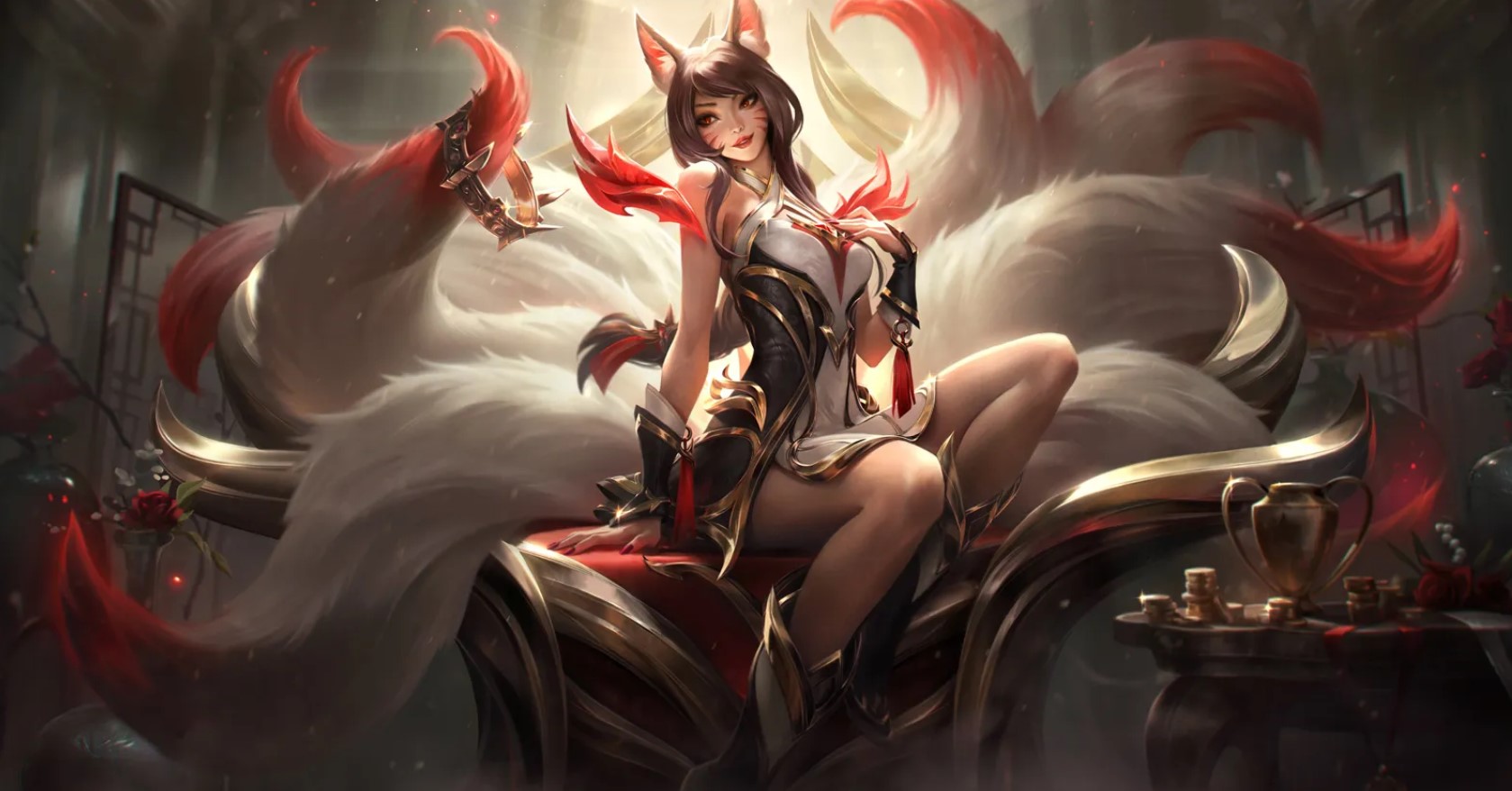
And it’s not just the likes of Fortnite—other major titles have followed suit, and with every developer approaching the same idea in a unique way, it’s apparent that the growth of skins and cosmetics is off the charts. League of Legends, for example, built its entire long-term revenue model around skins without ever making players feel forced to buy them. A big part of that comes down to volume and variety. There are hundreds of skins in the game, ranging from simple recolors to completely reimagined versions of champions with even revamped animations.
Conclusion
That’s really the core shift. Skins stopped being optional extras a long time ago—they became part of how players experience the game. And once that happened, spending on cosmetics somewhere along the lines stopped feeling as if you were paying for something unnecessary anymore. And that is why cosmetics such as character and weapon skins will only continue to influence player interactions more and more from here on out.
Thanks! Do share your feedback with us. ⚡
How can we make this post better? Your help would be appreciated. ✍




 Join Our Community