

Story Highlights
- Previsualization has aligned game teams around a shared vision for decades.
- Now, AI tools like Midjourney and Scenario let teams test game scenes in an afternoon.
- Games like Shores of Vaelithar show both AI previz’s appeal and the backlash that follows.
Before a game enters full production, developers often need a quick way to test whether a visual idea actually works. A written description of a fantasy world, sci-fi environment, or combat scene may sound impressive, but it can be difficult for artists, designers, and marketing teams to share the same vision.
Creating short scene previews helps teams evaluate atmosphere, camera direction, and visual style earlier in the process. And with AI steadily embedding itself in game development, it’s never been easier for creators to make jaw-dropping previews from simple text prompts and reference images.
This Problem Existed Long Before AI Did
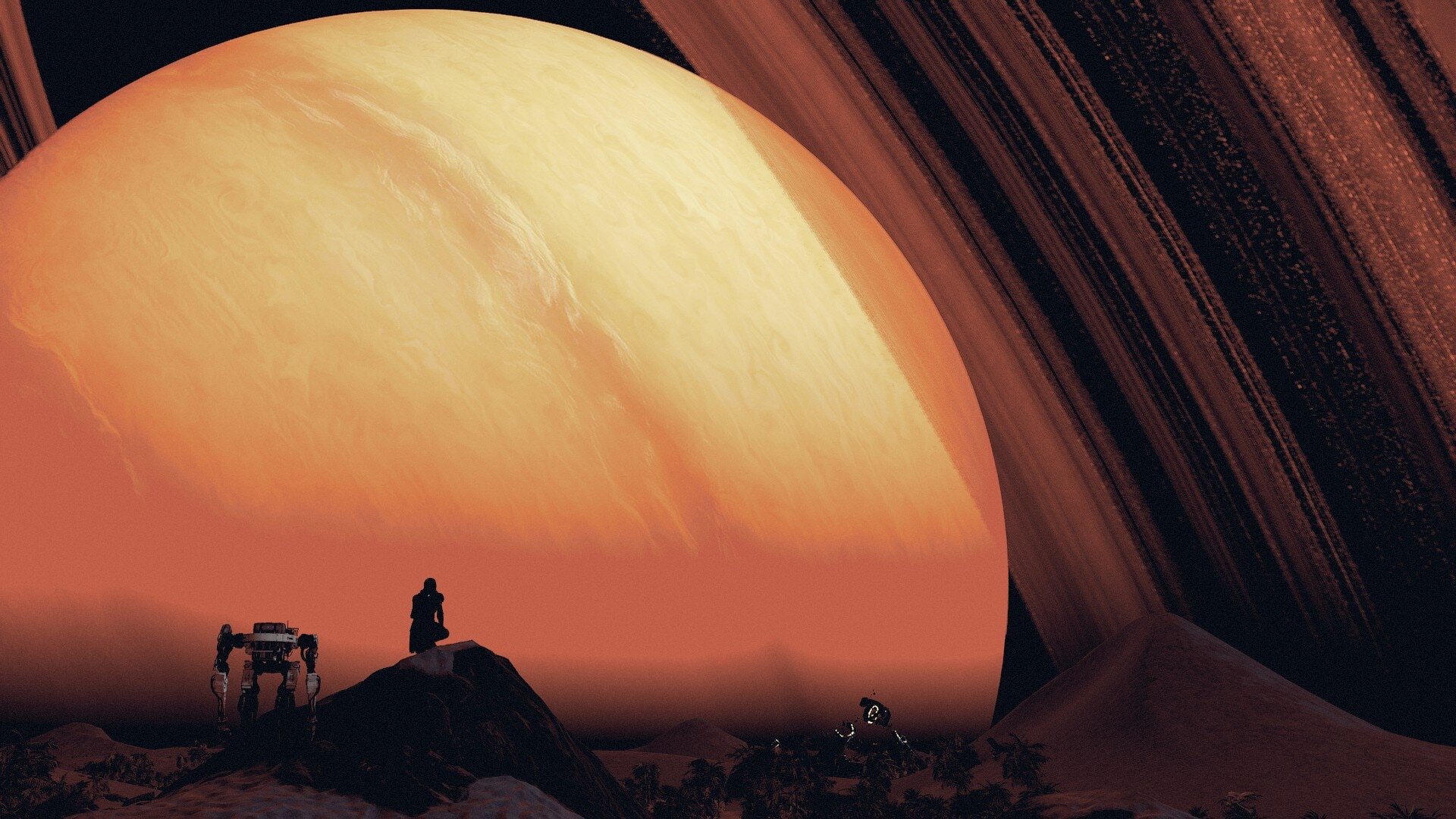
Long before anyone typed a prompt into an image generator, studios were solving this exact problem by hand. Concept artists painted rough environment sketches, animators cut together animatics, and art directors pinned moodboards to a wall so a dozen different people could look at the same crumbling castle or neon-soaked street and agree on what it should feel like before a single polygon got modeled.
Previsualization. That’s the name of this process, and it’s been standard practice in film and games for decades for one simple reason: a paragraph in a design document reads differently to everyone who opens it, but a picture narrows that gap almost instantly.
Skipping this step is how studios end up building entire game scenes around a pitch nobody actually agreed on. Tools like Midjourney reshaped this early sketching stage for solo artists, and that shift is the real story here, not some brand-new instinct, just an old one moving faster.
AI Shrinks The Distance Between A Pitch And Actual Game Scenes
What generative tools basically changed is the math. A previz pass that often took a concept artist a week now takes an afternoon of prompting and picking favorites, and it doesn’t require an artist to start, just someone who can describe what they’re picturing.
Models like Seedance 2.5 on Pollo AI have built entire products around that exact gap in the pipeline, positioning themselves as a shortcut past the usual art-department queue for early concept work and storyboarding.
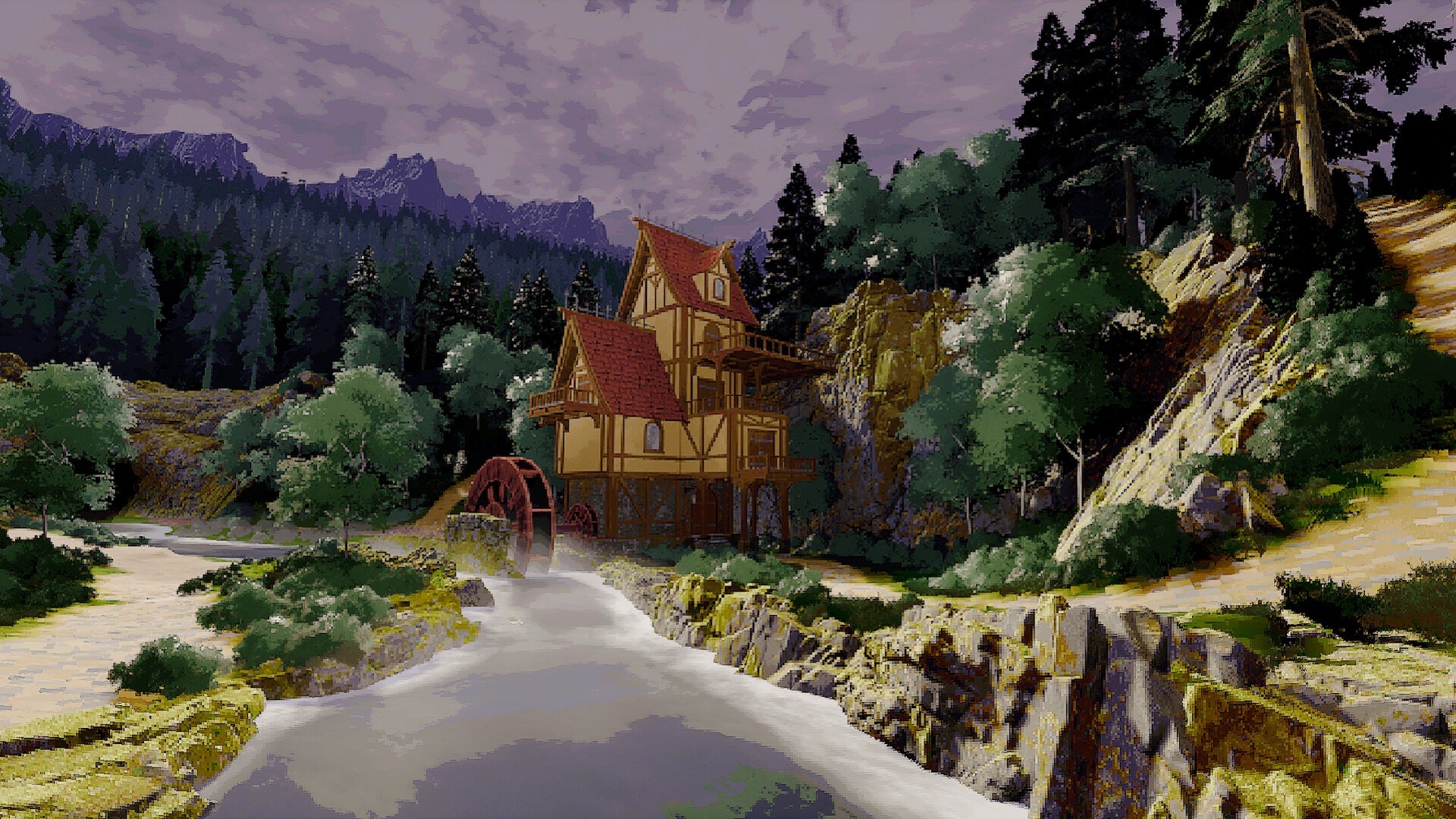
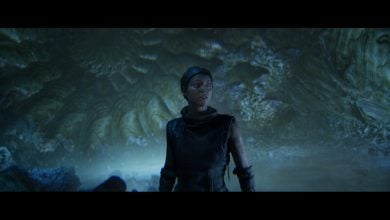
The clearest recent example of an AI-made game scene going viral is Shores of Vaelithar. Its creator, an X account posting as Desimulate, shared a five-second Midjourney clip of a foreboding castle down a forested path that unexpectedly blew up online, then turned that reaction into an actual indie studio.
A viral AI clip is being transformed into a full-on RPG, but its creator promises it's "free of AI-generated content"
byu/FitCord inpcgaming
Desimulate has been fairly open that the clip was never meant as the finished product, calling it “pre-concept” art meant for human artists to interpret and rebuild by hand. This is essentially previz doing exactly what it’s always done, just compressed into a viral post instead of a boardroom pitch.
Where AI-Generated Game Scenes Fall Apart
The catch is that AI-generated game scenes are frequently gorgeous and often wrong in ways that only show up later. A castle silhouette can nail the mood while its own geometry contradicts itself from one image to the next, the kind of thing concept artists know how to avoid, and prompts don’t. That’s a fine problem for a mood board and a genuine one the moment a pitch deck presents these images as close to final.
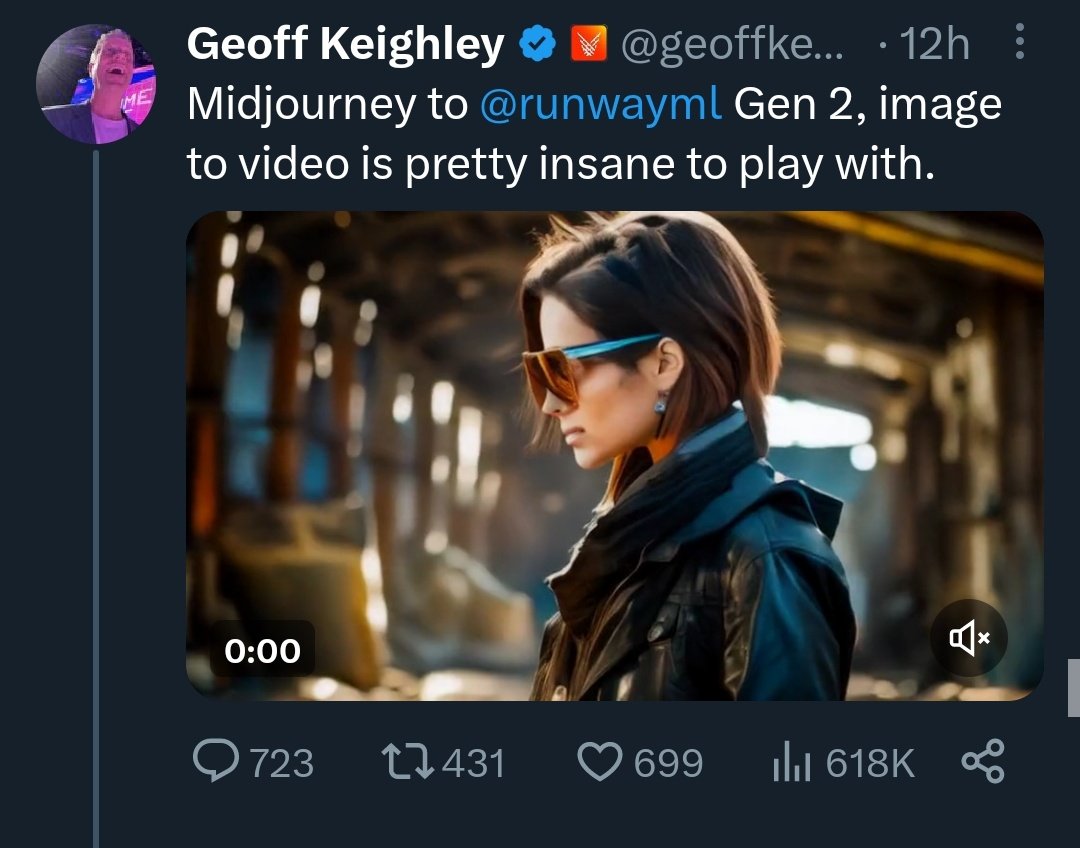
There’s a second risk that has nothing to do with technical accuracy: optics. Geoff Keighley learned that lesson the hard way when a video showcasing an AI tool buried him in backlash within hours, timed right as writers and actors were striking over that exact technology.
The honest version of AI previz, the one we’d argue actually holds up, treats the output as a compass a team points toward and then puts down, not a finished game scene wearing an AI prompt as its only credit.
Conclusion
Previsualization was never about the software. It was always about closing the gap between what’s in someone’s head and what a team can actually see, and AI just made that gap faster to close. The lesson from every recent AI game scene controversy is identical: showing people a fast vision is worthless if it’s not the one you can actually build.
Thanks! Do share your feedback with us. ⚡
How can we make this post better? Your help would be appreciated. ✍


 Join Our Community