

Story Highlights
- CS2 skins and inventories have real-world trade value, so knowing when and how to sell is key.
- Marketplace fees, skin characteristics, and monitoring market values are some factors to consider.
- Investing in certain skins is a common tradition in CS2, especially if they show up in pro play.
My dad always used to tell me something important: it is easy to get rid of something, but much harder to get it back. Because of this, he recommended that I think twice or even three times before making any sale. And, for a time, it worked well — it’s a common principle that needs to be applied everywhere, but, as it turns out, this strategy is also used in the gaming community, especially CS2.
Professional CS2 traders, for instance, maintain their inventory in such a day that they can extract the maximum possible profit from any and all trades. They usually re-evaluate their entire collection before deciding to sell a particular item, and the results definitely pay off. Thus, as I’ve found, this approach is not only beneficial, but it’s borderline necessary once your inventory reaches certain milestones.
Why You Should Check Value Before Selling In CS2
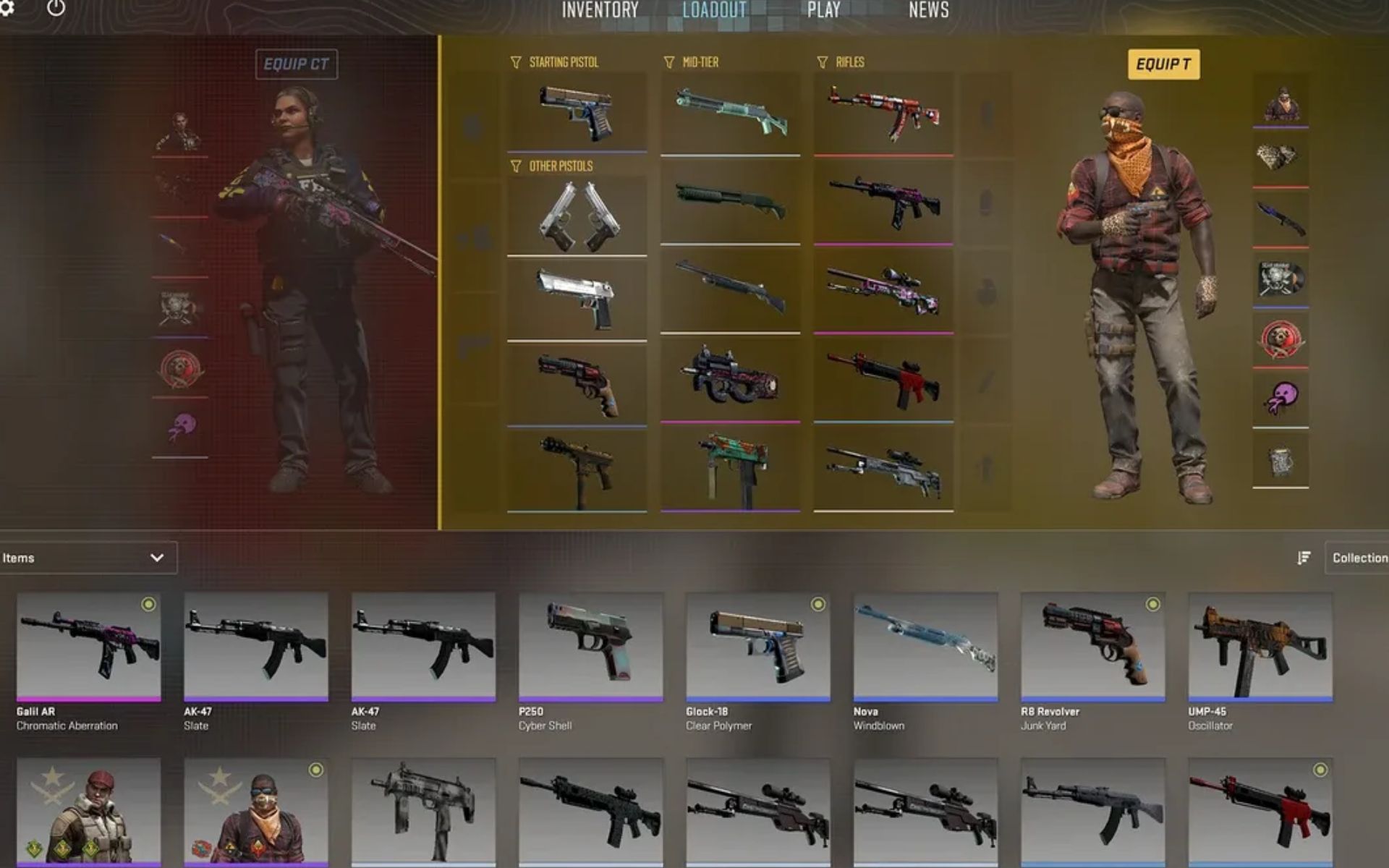
Professional CS2 players follow specific habits when opening cases and trading to stay ahead. One of the most important is checking CS2 (CS:GO) skin prices and their inventory values thoroughly before ever making a sale. It turns out there is a very solid reason why they do this:
When you sell a skin, you never get the full amount that the buyer pays. Every marketplace takes a transaction fee, and these vary wildly between the official community market and private trading sites. For example, selling a $100 skin on a platform with a 15% fee means you only get $85, while a site with a 3% fee leaves you with $97. Considering the middleman’s cut is an important factor when it comes down to the dollar.
Additionally, many skins have hidden details that make them worth far more than the standard market average. A specific pattern index or a very low wear float, such as a 0.001 rating, can add a significant overpay from players.
If you list an item without checking its specific characteristics, you might accidentally sell a rare “Emerald” or “Blue Gem” pattern for the price of a basic finish. Taking a moment to research these details ensures you do not leave hundreds of dollars on the table by mistake.
The market for skins is extremely reactive to game updates and professional player activity. A simple patch that changes how light reflects on a knife finish can cause prices to jump by 20% in a single afternoon. Additionally, when a specific weapon is buffed in an update, the demand for its skins spikes instantly.
How to Check Your Inventory Value In CS2
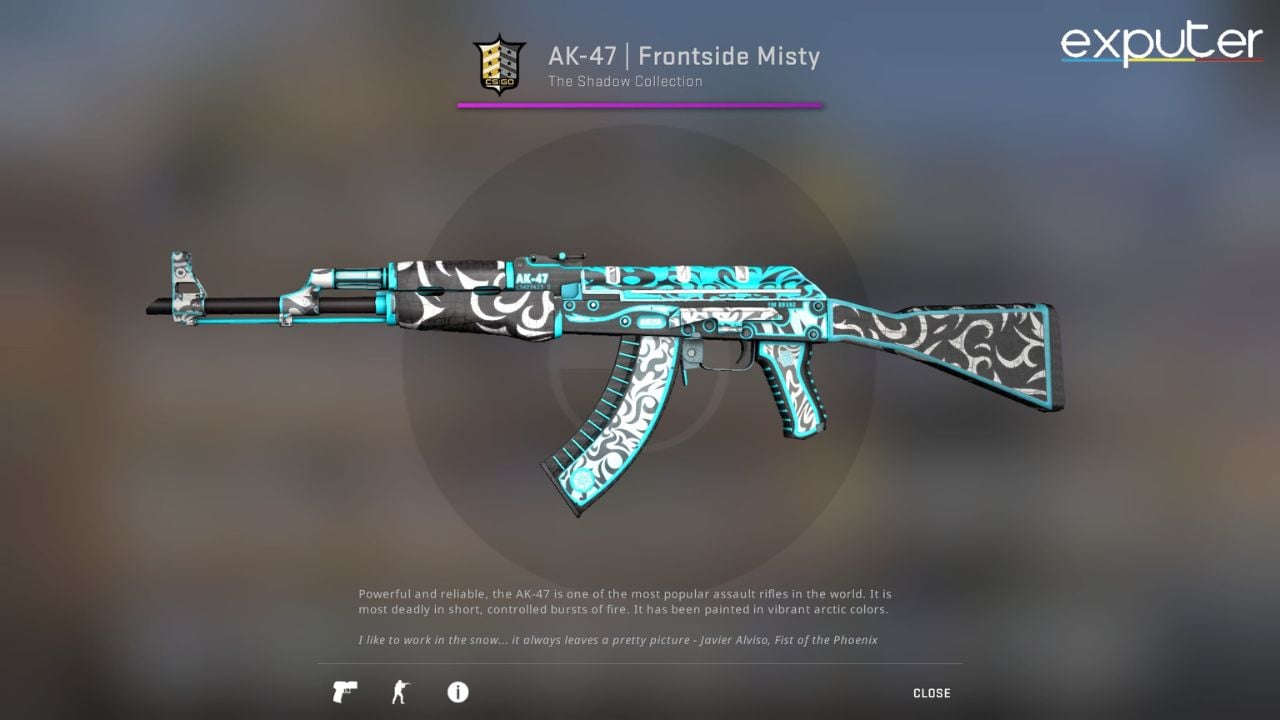
But how can you check your inventory values? Well, that may not be as easy as you initially thought. In most cases, what you see as your total assets differs from the reality of what those skins are actually worth.
To get a true sense of what your skins are worth, you should look at historical transaction data rather than just current asking prices. Anyone can list a skin for a high price, but that does not mean someone will buy it.
Monitor Sales Trends And Review Your Wears And Patterns
By examining the actual prices paid in recent days, you get a realistic view of the market demand. For instance, if you see that a specific pair of gloves consistently sells for $300 despite several listings at $350, you know the lower number is the actual value you can expect to receive.
Generic market prices often miss the unique qualities that make a specific skin valuable. You should always check the float value of your items, as a clean look can attract players who are willing to pay a premium over the standard market price.
Additionally, some skins have specific pattern templates that are much rarer than others, such as a centered web on a Crimson Web knife.
Conclusion
By following the habits of successful traders, we now understand why it is so important to re-evaluate your skins before making a move. We also explored the best methods for checking your true inventory value and answered the big question of which skins are worth keeping for long-term growth. Now, why don’t you go check your inventory value and start making some smart trades? Best of luck on your journey!
Thanks! Do share your feedback with us. ⚡
How can we make this post better? Your help would be appreciated. ✍




 Join Our Community