

Story Highlights
- Steam added accessibility filters like adjustable difficulty and camera comfort in June 2025.
- Xbox and PlayStation introduced accessibility tags for input remapping and chat transcription in 2025.
- Flexible settings benefit all players, including those in noisy environments or with temporary injuries.
A bigger catalog is often presented as the answer to inclusive gaming. It is not. A library becomes useful when players can see which games suit their time, energy, sensory preferences, and control needs before they commit to a download or purchase.
That work starts on the store page instead of at the first menu. A roblox scam link checker guide reflects that same pre-purchase instinct in a different context, helping readers evaluate Robux websites rather than game accessibility. Clear information reduces guesswork either way, and gives players a better basis for choosing an experience.
Discovery Turns Catalog Size Into Useful Choice
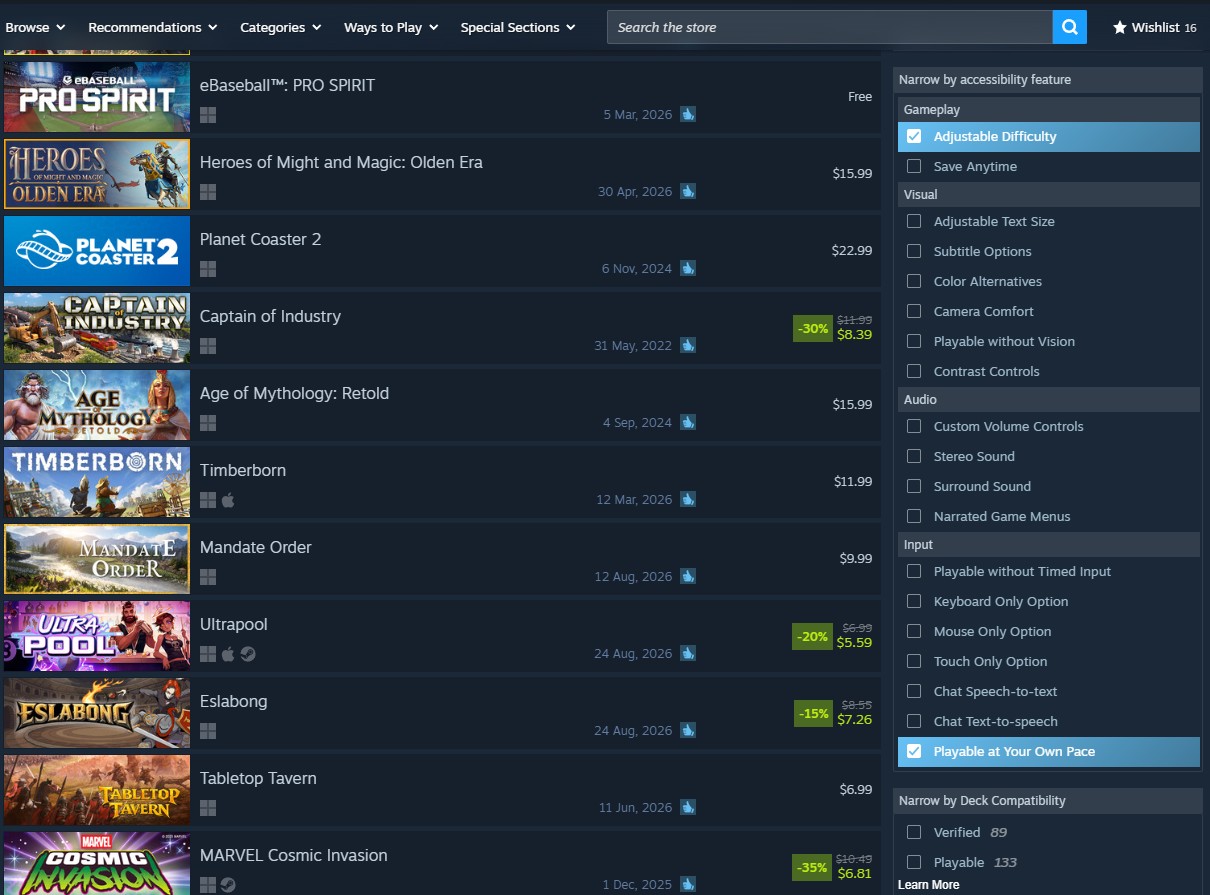
Steam added accessibility information to store pages and search in June 2025. Its filters cover adjustable difficulty, save-anytime support, text-size controls, subtitle options, color alternatives, camera comfort, narrated menus, untimed input, and play-at-your-own-pace settings. More than 5,000 applications had added accessibility details by the time the feature launched.
Where to buy Robux has a more straightforward answer. Buyers can use official Roblox channels, or Roblox gift cards and digital codes where available. Eneba is one option for available codes, with verified merchants and product pages that list regional compatibility and platform information. Gift cards give buyers a flexible format, and matching the listed region to an account helps pick the right code.
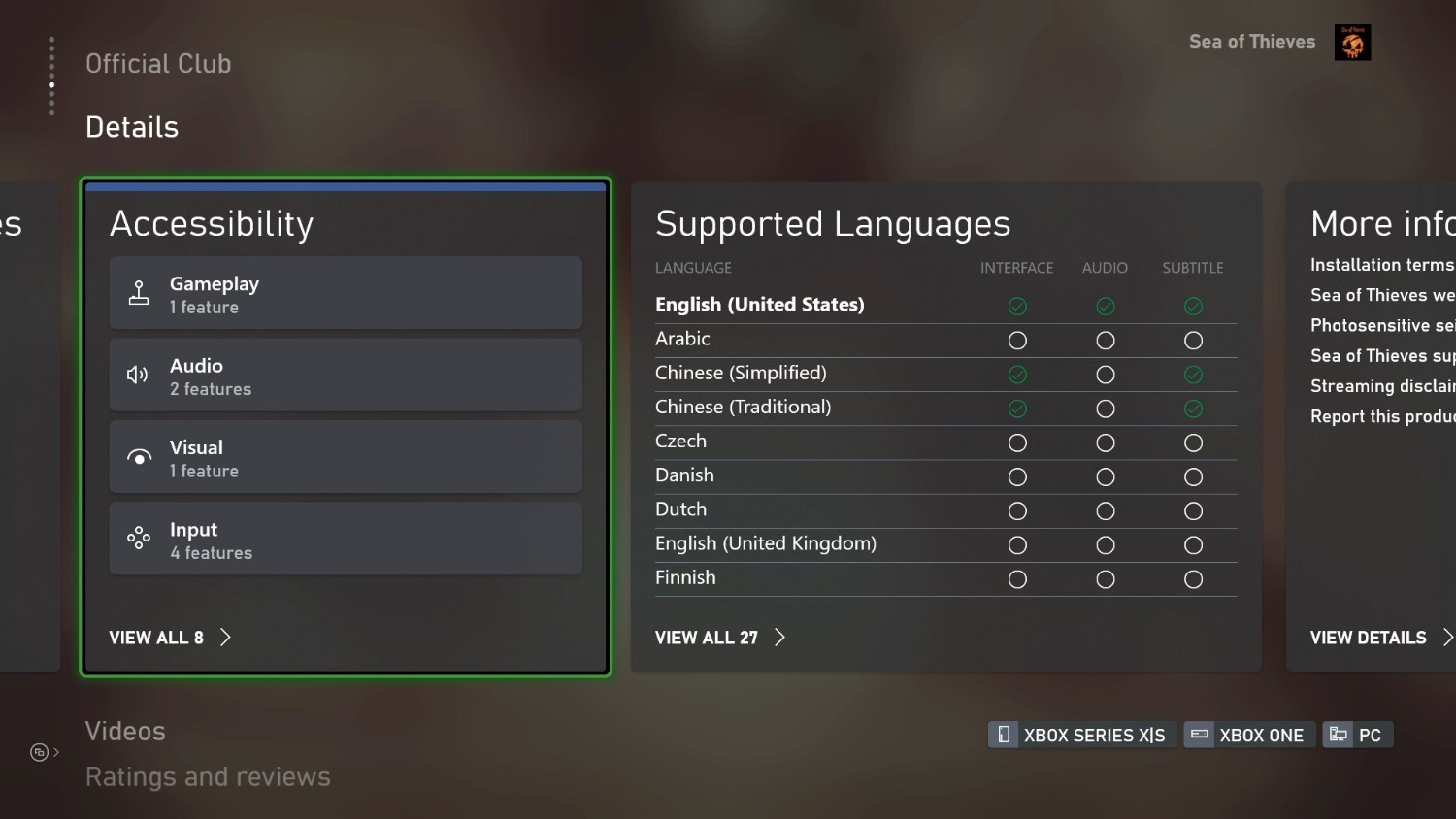
Store tags are useful metadata, not a promise that every game meets every player’s individual needs. Still, they shift selection away from trial and error after installation. Xbox introduced Accessible Games Initiative tags across console, PC, mobile, and web storefronts in July 2025, while PlayStation’s PS5 tags describe visual and audio settings, controller options, difficulty settings, and chat transcription.
Everyday Play Needs Flexible Pacing And Controls
Flexible pacing is sometimes dismissed as a convenience for people with busy schedules. That undersells its wider purpose. Pause options, adjustable difficulty, saves at convenient points, and gameplay without timed input help players manage limited time, fatigue, or fluctuating concentration, without treating one tempo as the only valid way to play.
Control flexibility carries that same idea into the moment-to-moment experience. Xbox’s feature tags can identify narrated menus, input remapping, full keyboard support, and single-stick gameplay. Its platform accessibility tools also support external switches and joysticks, alongside customizable button mapping, captioning, high-contrast settings, speech-to-text, and text-to-speech.
These features have practical value beyond a single category of player. Subtitles can help someone playing in a noisy home, and remapped controls can help during a temporary injury. The point is agency: players get more room to choose an approach that fits their circumstances.
Clarity Gives Breadth Its Real Value
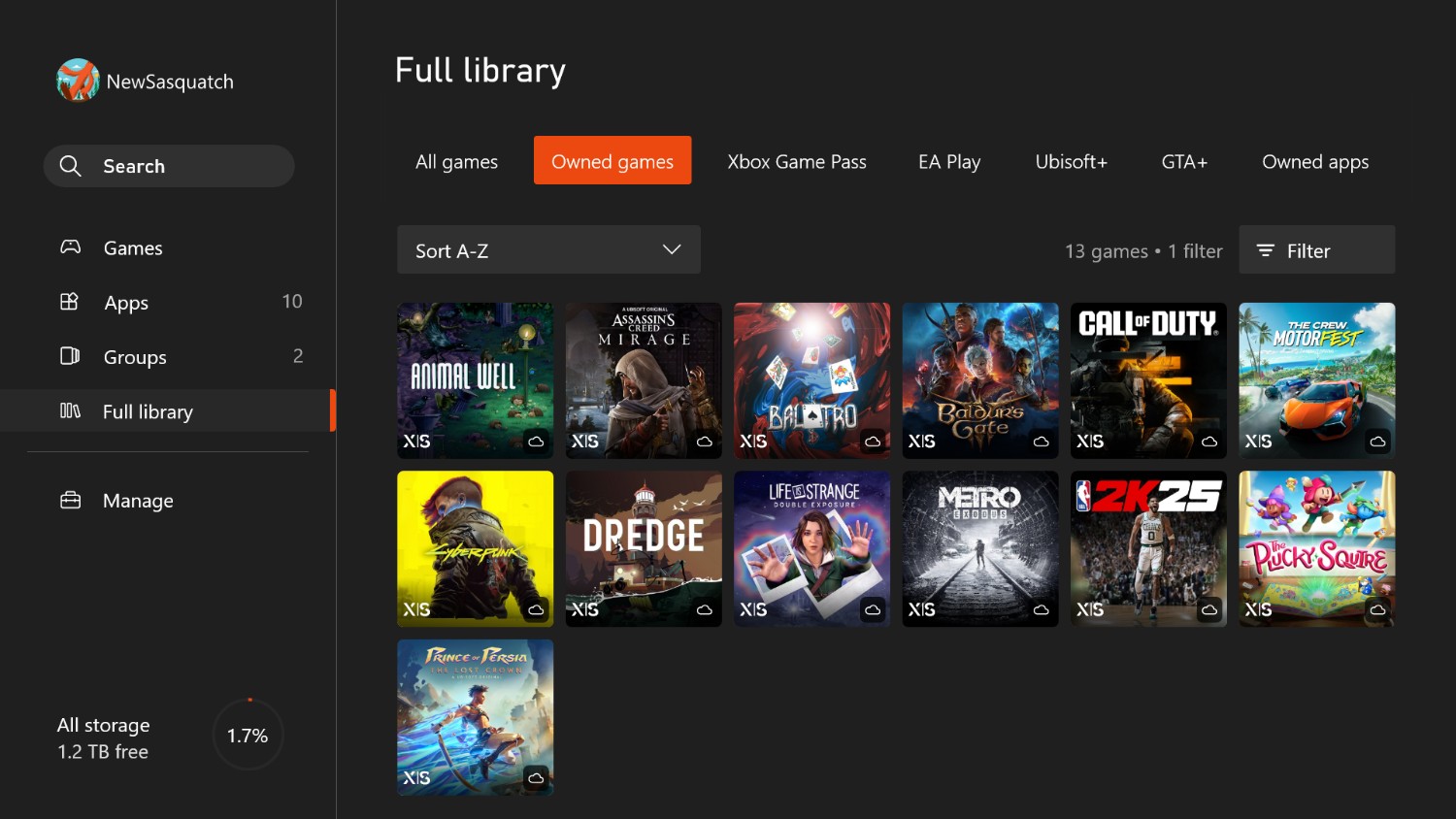
Raw title counts don’t define an inclusive library. Useful descriptions, visible feature information, and clear platform details give breadth a purpose, because they help people narrow choices before they invest time. Accessibility guidance also treats design and testing as ongoing concerns, rather than a label added at the end.
Everyday play is shaped by time, senses, concentration, and preferred inputs. Digital marketplaces like Eneba offer deals on games, gaming top-ups, and more, while clear product information supports choices that fit a player’s platform and routine.
Thanks! Do share your feedback with us. ⚡
How can we make this post better? Your help would be appreciated. ✍







 Join Our Community