

Minecraft survival is easy to understand and surprisingly difficult to get right. The basic premise sounds simple: gather resources, build a shelter, explore the world, defeat hostile mobs, and gradually create something worth protecting. Yet the quality of the server can completely change how enjoyable that experience becomes.
- A great Minecraft survival server preserves the core gameplay loop of exploration, gathering, and crafting while building a persistent world that keeps players coming back.
- Community-driven elements, balanced economies, and reliable server performance turn ordinary multiplayer maps into living, breathing virtual spaces.
- Successful server management requires careful attention to fair rules, meaningful long-term progression, and smooth onboarding for new players.
A great survival server is not simply one that runs smoothly or has a large player count. It creates an environment where progression feels rewarding, the community feels alive, and players have meaningful reasons to return. The best servers give newcomers room to learn while providing experienced players with enough depth to keep their long-term goals interesting.
Server design matters too. Economy systems, land protection, world generation, gameplay rules, community events, moderation, and technical performance all shape the experience. When these elements work together, survival becomes more than a collection of vanilla mechanics. It becomes a persistent world where players develop routines, friendships, rivalries, projects, and stories.
Minecraft Survival Server Pillars: Quick Table
We truly believe that in order to successfully navigate the complex world of multiplayer hosting, server owners must master several foundational pillars that turn a basic multiplayer map into a thriving, long-term virtual home. The following breakdown highlights the essential criteria that separate ordinary servers from truly great Minecraft survival communities.
| Pointer / Feature | Core Summary | Reasoning / Why It Matters |
| 1. Authentic Experience | Retains core vanilla loops (exploring, crafting, gathering) with balanced additions. | Prevents the game from turning into an entirely different genre, keeping the original appeal intact. |
| 2. Meaningful Progression | Balances short-term goals with long-term projects without intimidating newcomers. | Keeps players motivated through growth and aspiration rather than alienating them with power creep. |
| 3. Thriving Community | Fosters active communication, shared building, and collaborative events. | Transforms isolated gameplay into a memorable social experience with a living, breathing virtual space. |
| 4. Fair & Transparent Rules | Enforces clear boundaries against griefing and cheating consistently. | Protects the player base and maintains trust by ensuring moderation is fair and objective. |
| 5. Reliable Performance | Ensures lag-free environments, stable tick rates, and regular data backups. | Prevents technical frustration during precise actions like redstone mechanics, combat, and building. |
| 6. Purposeful Economy | Encourages player-run shops and specialized roles (trading materials, loot). | Creates organic interdependence and a lively marketplace without cheapening resource gathering. |
| 7. Balanced Protection | Secures main bases from malicious griefing while keeping wild risks alive. | Keeps the game exciting and consequential rather than making the world feel entirely consequence-free. |
| 8. Engaging World Design | Features diverse biomes, structures, and scattered resources across the map. | Motivates players to leave their bases, inspiring collaborative infrastructure like roads and rail lines. |
| 9. Clear Identity & Onboarding | Offers a defined server personality and smooth, friction-free entry for newcomers. | Attracts the right target audience and converts curious first-time visitors into permanent community members. |
1. A Survival Experience That Still Feels Like Minecraft
-
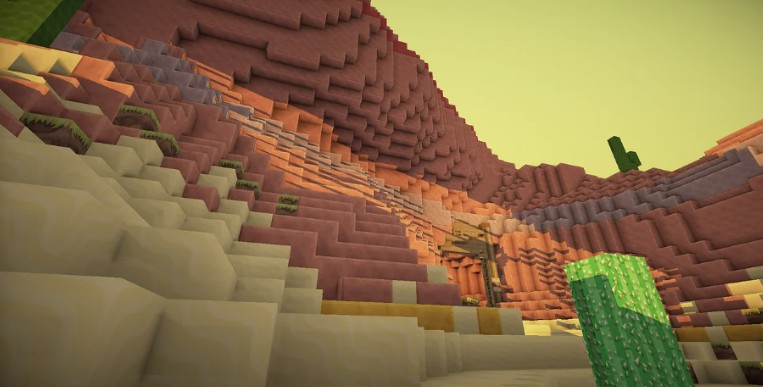
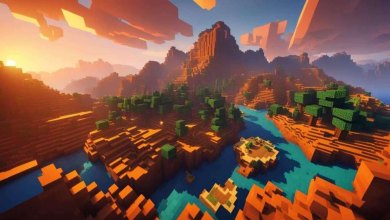
Playing Minecraft in survival mode | Image Source: Pixabay
The first requirement is authenticity. A survival server can add custom features, but the core experience should still feel recognizably like Minecraft.
Players generally join survival servers because they enjoy the fundamental loop of exploration, gathering, crafting, building, farming, and progression. If a server adds so many systems that the original gameplay becomes secondary, it can lose the appeal that brought players there in the first place. That does not mean every server needs to be completely vanilla. Carefully chosen additions can make survival more engaging, much like how finding the right balance can make PC gaming accessible and enjoyable without losing its core identity.
The key is balance. A useful feature should enhance a player’s existing goals rather than replace them. For instance, a land-claim system is valuable because it allows players to build confidently. A player-run marketplace is useful because it gives surplus resources a purpose. These systems support survival instead of turning the server into an entirely different game.
Platforms like MineRank can be useful when players are searching for survival Minecraft servers. The survival category gives prospective players a starting point for comparing different communities and finding a server whose gameplay philosophy matches what they want from Minecraft.
2. Progression That Rewards Long-Term Players
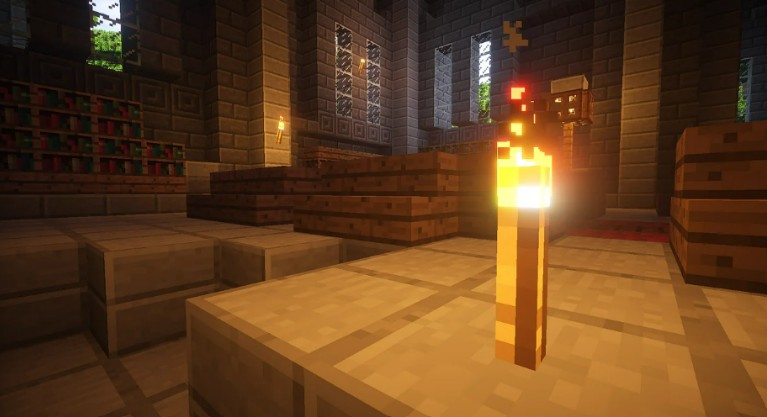
A survival server needs a sense of progression, but progression should not become a race that makes everyone else feel irrelevant. Good progression gives players achievable short-term objectives while leaving room for ambitious long-term projects.
Some servers introduce ranks, quests, skills, custom items, or rewards to make progression more visible. These systems work well when they complement survival gameplay. Problems appear when progression becomes overly complicated, or rewards become so powerful that ordinary activities feel pointless. The goal should be to create aspiration rather than intimidation, ensuring a newcomer looks at an impressive base and feels motivated rather than defeated.
3. A Community That Actually Feels Alive
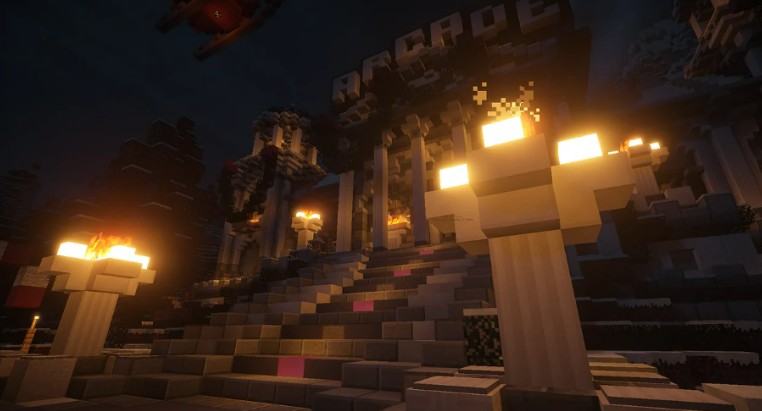
Minecraft is perfectly playable alone, but multiplayer survival becomes special because other people inhabit the same world. A strong community can turn ordinary gameplay into memorable experiences. Simple villages become fascinating when several players contribute different buildings, and shopping districts thrive when everyone has a unique role in the economy.
Community does not happen automatically. Server owners need to create conditions that encourage positive interaction through building competitions, treasure hunts, seasonal celebrations, and active communication channels. Much like the community-driven creativity explored in features on how modding communities keep classic games alive, a thriving server relies heavily on its players to shape its culture.
Rules are necessary in survival multiplayer because one player’s actions can affect dozens or hundreds of others. The challenge is creating rules that protect the community without making the game feel heavily restricted. Griefing, cheating, exploits, and harassment require clear, easy-to-understand boundaries.
Consistency is just as important as the rules themselves. Players need confidence that moderation decisions are based on established standards rather than personal relationships or donor status. Good moderation is proactive, addressing conflicts before they escalate into major community disputes.
5. Performance That Does Not Get In The Way
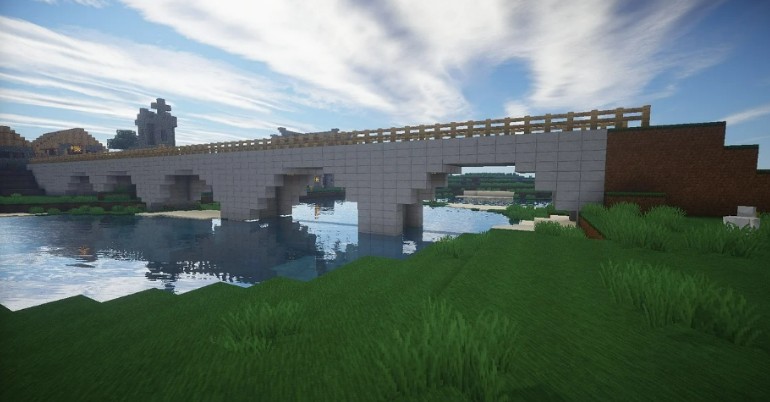
Even the most imaginative survival server will struggle to retain players if it performs badly. Lag is particularly frustrating in Minecraft because building, combat, farming, and redstone mechanics depend on precise interactions.
A great server needs an environment properly configured for its player base, along with smart world management that prevents unlimited farms and massive redstone machines from tanking performance. Reliability is equally important; regular backups and careful maintenance ensure that players never lose months of hard work due to unexpected server failures.
6. An Economy With A Purpose
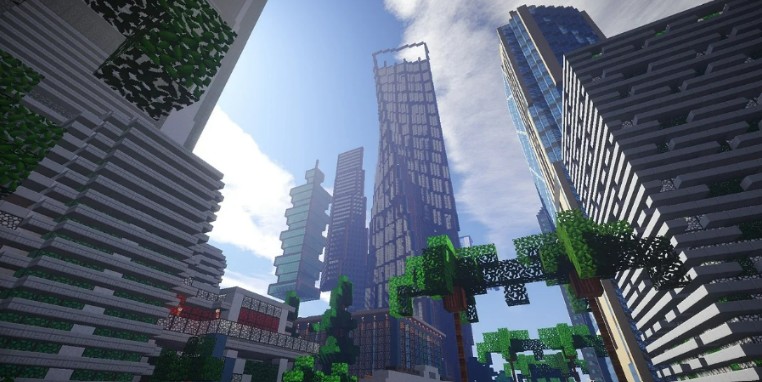
Many survival servers include an economy, but simply adding currency does not automatically improve gameplay. A good economy gives players useful choices, allowing them to earn money through appropriate activities and spend it on convenience, social value, or extra goals.
Player-run shops encourage healthy specialization. One player might sell enchanted books, another building materials, and another rare exploration loot. This organic network of interdependence keeps the marketplace lively without making resource gathering feel pointless.
7. Protection Without Removing Risk
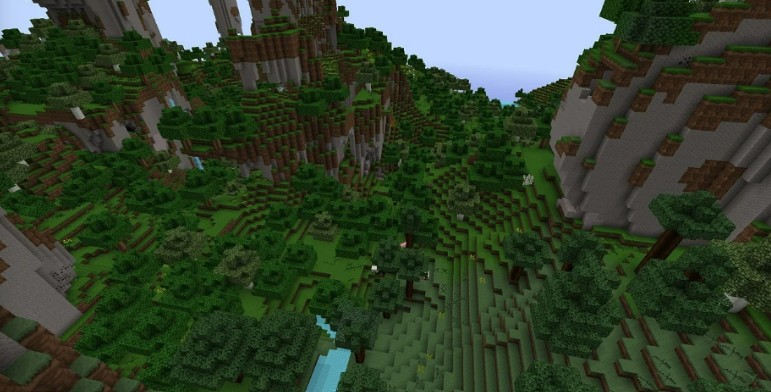
Players want their creations to be safe, but survival is also supposed to involve risk. Land protection systems prevent malicious players from destroying bases, but protection should not make the world feel completely consequence-free.
A thoughtful server preserves excitement by letting players secure their main bases while still encountering danger in wilderness areas or during special community events. The goal is not to eliminate danger, but to make sure players lose resources because of risky decisions rather than malicious griefing.
8. A World Worth Exploring
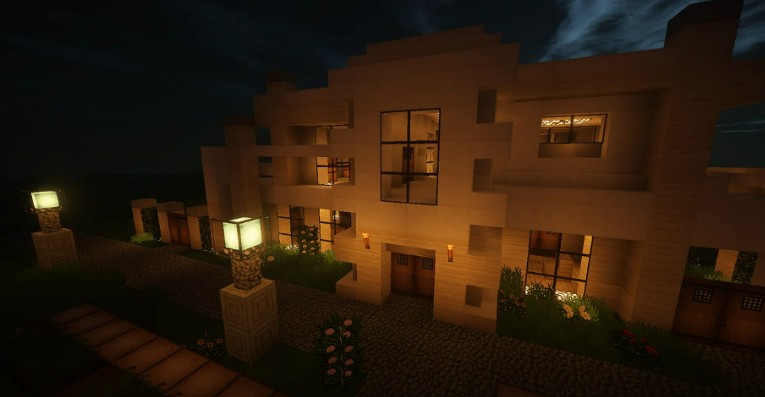
A survival server’s world should give players reasons to leave their bases. New biomes, structures, caves, and oceans create a sense of discovery. Server owners can encourage exploration through world settings, wilderness preservation, and custom locations.
When useful resources are scattered across the map, infrastructure projects like railways, roads, and Nether bridges naturally follow. This turns the physical map into a collaborative community project.
9. A Clear Identity And Welcoming Onboarding
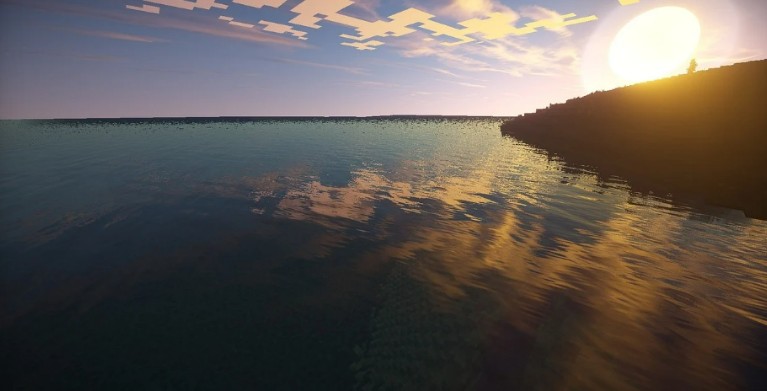
The best survival servers have a recognizable personality, whether they focus on a relaxed vanilla experience, cooperative towns, or hardcore survival. Consistency helps attract the right audience.
At the same time, long-term communities depend on fresh blood. A newcomer should not need to read an essay of commands just to start playing. Spawn areas should provide clear instructions, and a friendly welcome from established players can make all the difference in turning a curious visitor into a permanent community member.
Conclusion
Ultimately, a great Minecraft survival server is not built by adding the largest number of plugins or chasing massive player counts. It comes down to thoughtful design, fair rules, reliable performance, and an environment where players can build lasting memories. Technical quality gets players through the door, but a strong community gives them a reason to stay.
Related:
- World of Warcraft PVP Arena, The Good And The Bad
- In-Game Skins Are The Hottest Trend In Gamer Fashion
Thanks! Do share your feedback with us. ⚡
How can we make this post better? Your help would be appreciated. ✍


 Join Our Community