

Story Highlights
- Both cross-border and local gaming can build meaningful relationships.
- Cross-border play offers broader connections, while local groups make coordination easier.
- Consistency and reliable teammates matter more than where someone comes from.
A shared objective can create a familiar connection before players know much about each other’s lives. Cross-border play puts people in contact across countries and cultures. Local groups keep that contact close to home. Neither setting wins by default. Lasting ties take shape through repeated cooperation, clear communication, and a reason to keep coming back to the same community.
Customization Becomes Part Of The Conversation
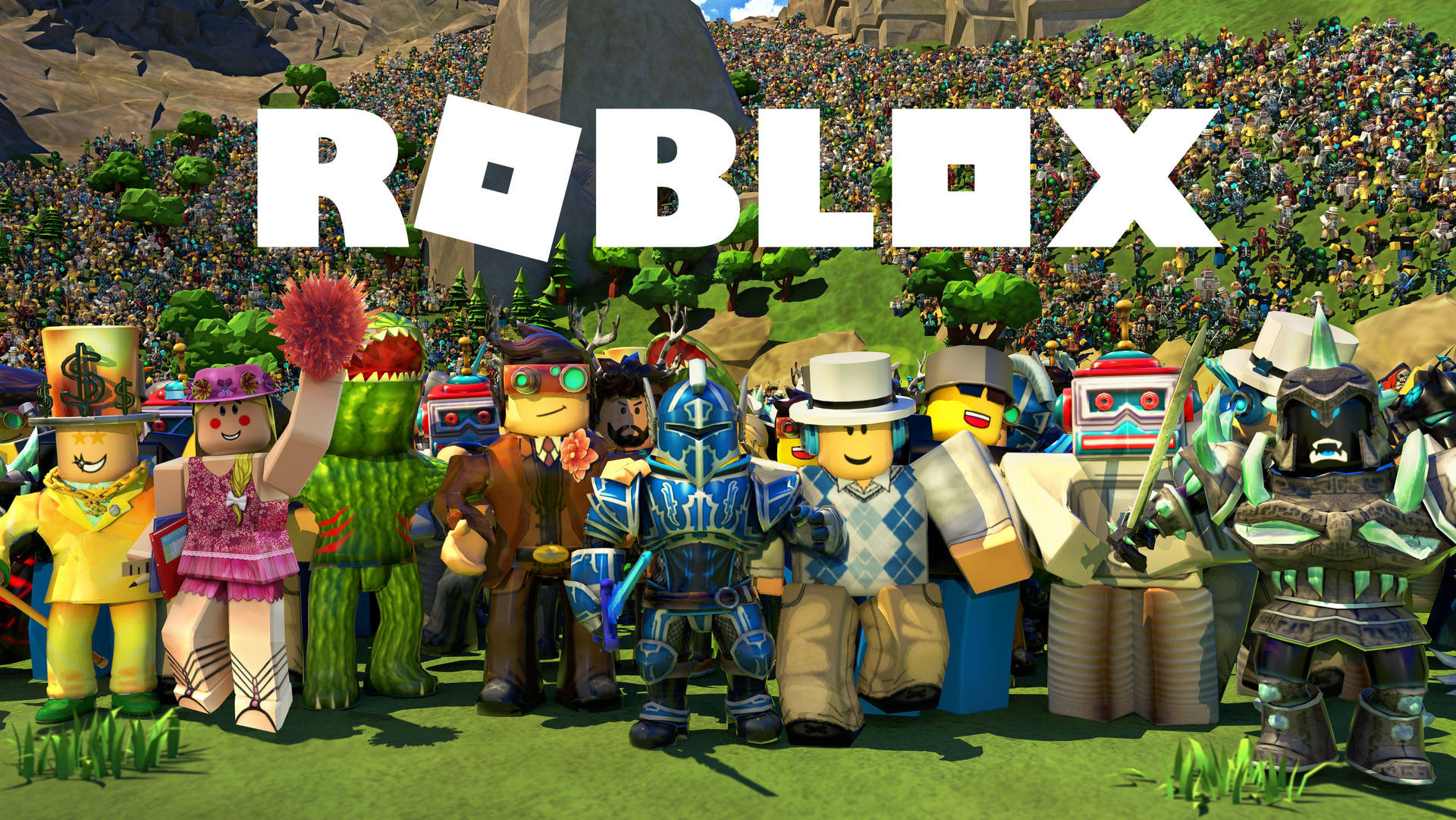
In games built around avatars and shared spaces, customization can become part of how players connect. Browsing Roblox items can give players material for identity, humor, fandom, or group signals. Item exchanges can also create recurring points of contact for negotiation or help. A single transaction doesn’t prove friendship on its own, but it can open the door to one.
A Roblox gift card can add credit or unlock Robux through supported redemption options. Eneba is a solid option here: a digital marketplace with Roblox-related items and gift cards, verified merchants, and clear product pages showing platform and region. Checking the listed region and platform before buying is the easiest way to make sure you’re getting the right item for your account.
The Social Strengths Of Each Community
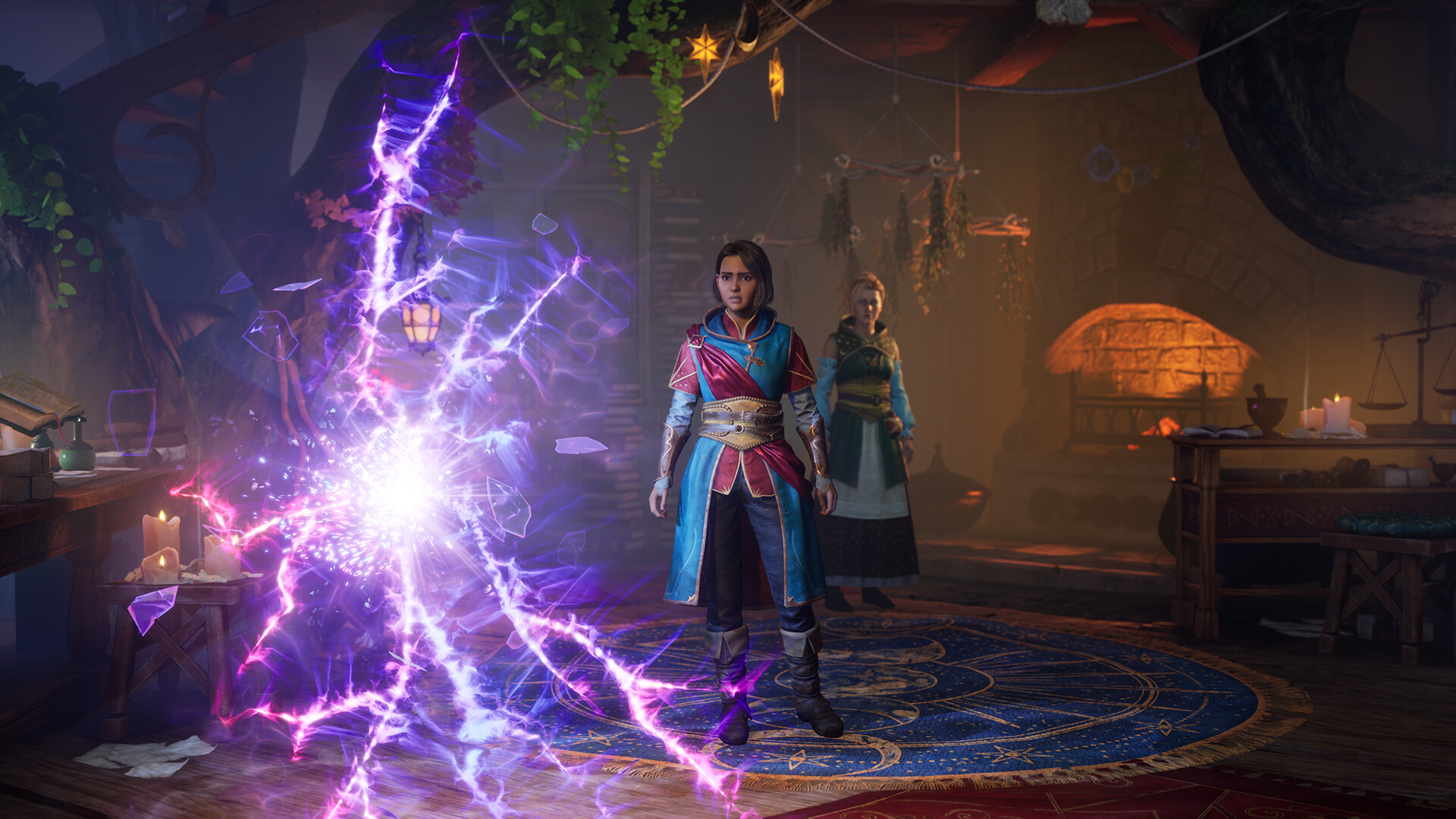
Cross-border communities widen the social field. Players from different countries can meet through shared goals, recurring sessions, and organized groups like clans or guilds. Different languages, communication styles, and cultural expectations can add fresh perspective to a group’s routine, especially once members take the time to understand each other.
Distance asks more of a group too. Time zone gaps can complicate scheduling. Unfamiliar social cues sometimes call for more deliberate communication. None of that rules out real connection, but it does raise the value of reliable scheduling, patience, and respectful teamwork.
Local communities have their own practical edge. Shared time zones and language make coordination easier. Nearby events or offline meetups give players more ways to keep a conversation going beyond a single match. That convenience is real, but it isn’t proof that local friendships run any deeper than cross-border ones.
Repeated Play Gives Relationships Their Footing
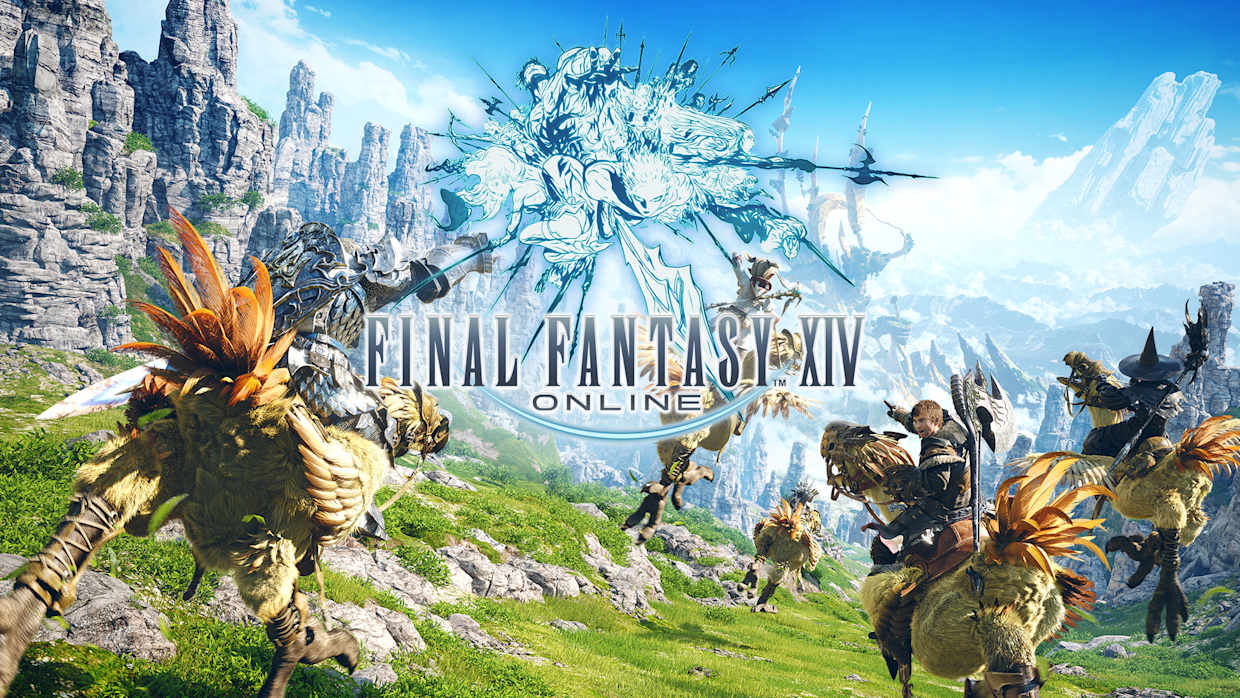
The strongest point of comparison isn’t geography; it’s consistency. Research on online cooperation across countries found relatively small differences between national groups, with individual differences mattering more than broad cultural background. A dependable teammate who communicates clearly and pulls their weight can build familiarity in either kind of community.
Community spaces extend that process past individual matches. Guild discussions, forums, and regular team activities give players recurring places to trade advice, coordinate roles, and get to know each other over time. Multiplayer games can support real social ties through patterns like these, though playing together doesn’t automatically translate into deeper offline relationships.
The Bottom Line
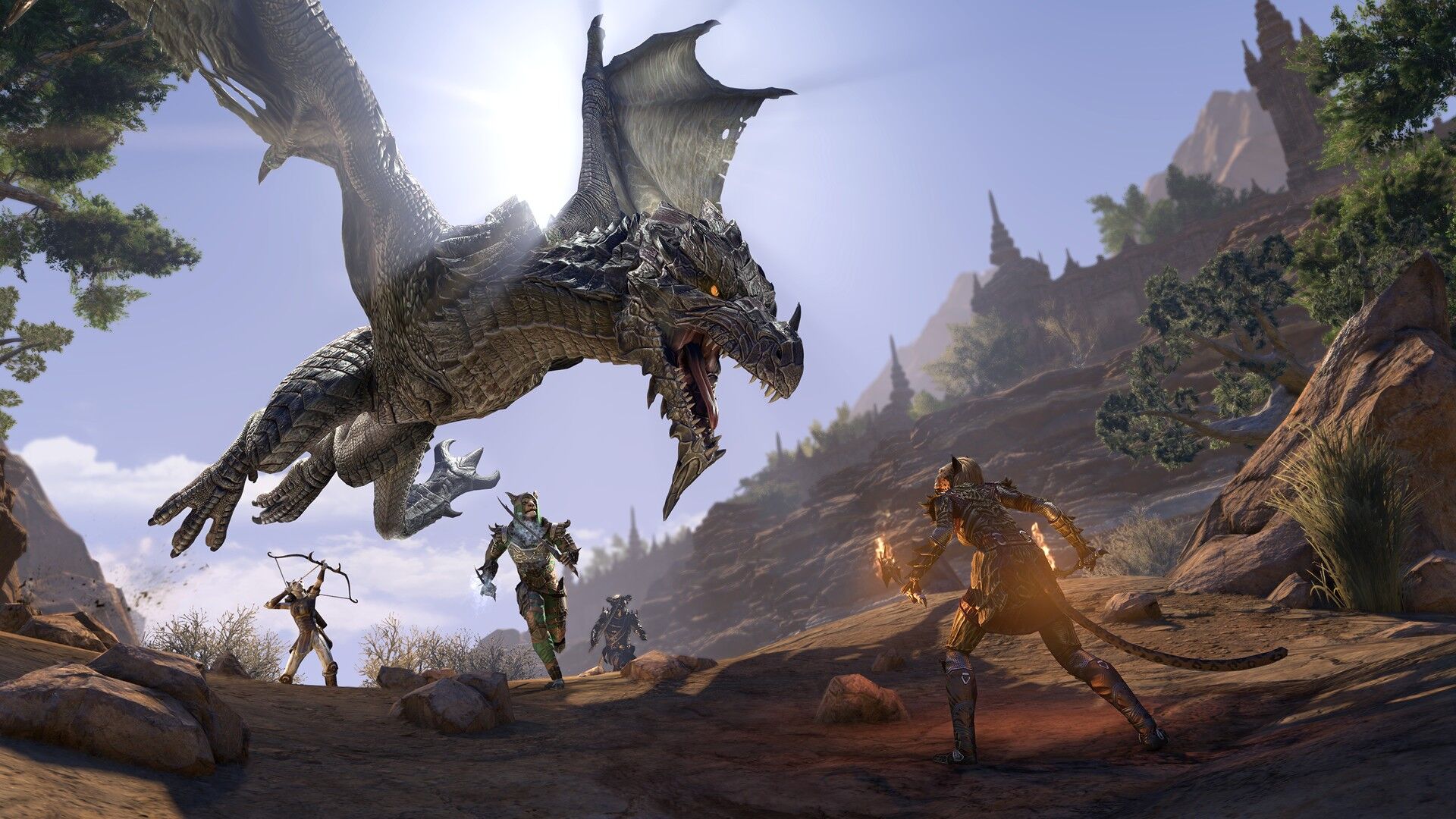
Cross-border gaming isn’t better than local play by default. It offers cultural exchange and a wider pool of potential teammates, while local groups make planning and staying in touch more straightforward. Eneba fits into the practical side of that experience, giving players a marketplace where the customization choices behind their shared identities and conversations can keep growing through sustained play.
Thanks! Do share your feedback with us. ⚡
How can we make this post better? Your help would be appreciated. ✍







 Join Our Community