

Story Highlights
- Demand, tied to fan base size and cultural relevance, matters more than a small edition run on its own.
- Condition, licensing strength, and total ownership costs like shipping, fees, and storage all shape whether a piece holds or loses value over time.
- The safest purchases satisfy personal enjoyment first, treating any resale profit as a bonus rather than the reason to buy.
Limited edition collectibles deserve a careful look before money changes hands. A small run can raise interest, but scarcity never works alone. Condition, audience size, release timing, storage needs, and personal meaning all affect value. Some items gain resale strength, while others soften once early attention fades. The better question is practical: Would the piece still feel worthwhile if no buyer ever paid more for it later?
What Actually Determines a Collectible’s Value
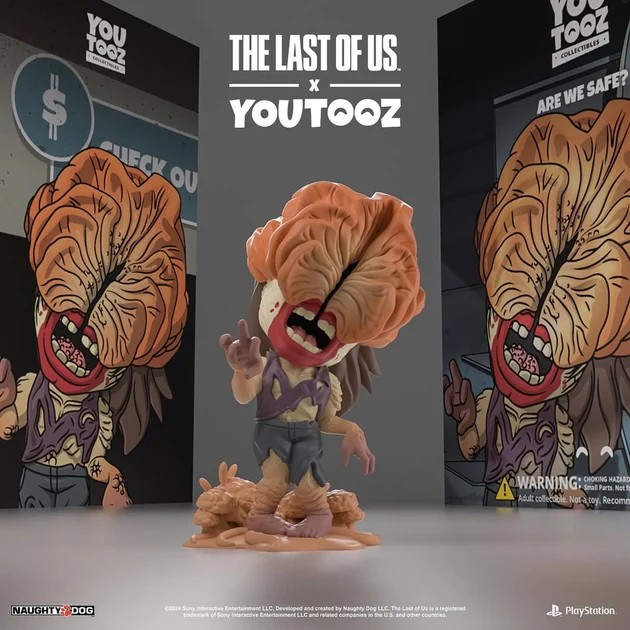
A measured buyer studies edition size, drop format, license strength, and current resale patterns before acting. Platforms such as Youtooz help show how limited runs, timed releases, character popularity, and sellout status influence demand. That context reduces impulse buying and separates true collector interest from pressure created by countdowns, low stock labels, or brief online excitement.
Rarity can help, but demand carries more weight. A hard to find figure tied to a weak property may still attract few offers. A familiar character with an active fan base often moves faster. Strong demand usually comes from community discussion, recognizable design, and lasting cultural relevance. Sold listings matter most because asking prices show seller hope, not confirmed buyer behavior.
Licensed collectibles often benefit from built in audiences, but every property ages differently. A character with decades of recognition has a stronger base than a short viral trend. Ongoing shows, games, comics, or films can keep interest alive. Still, licensing cannot rescue weak design or poor timing. The strongest pieces combine recognized characters with thoughtful sculpting, color, and packaging.
Condition, Cost, and Market Timing
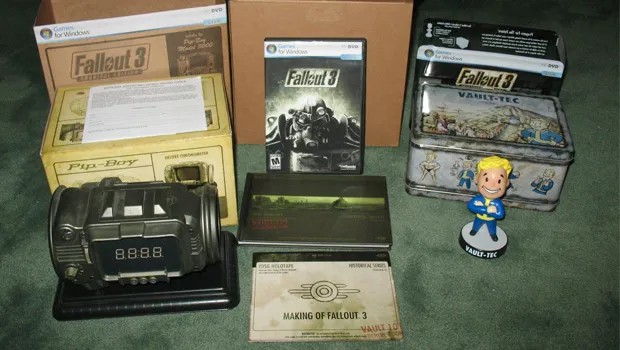
Condition affects resale in direct, visible ways. Sealed packaging, sharp corners, clean windows, and complete inserts often matter to serious collectors. Sunlight can fade color, while moisture may warp cardboard or stain surfaces. Smoke exposure also lowers appeal. Opened pieces can still look good, but sealed examples usually command higher prices. Clear photos create useful records for future sale.
Price should be judged against total ownership cost. Shipping, tax, protective cases, shelving, and resale fees all change the real number. A modest retail purchase carries less risk than an expensive aftermarket listing. Buyers should compare similar releases within the same category and license. If fees would erase likely gains, the purchase belongs in the personal enjoyment column.
Early excitement often peaks near release. Social posts, countdown pages, and sellout notices can make hesitation feel costly. That pressure can fade quickly. Some buyers list items as soon as orders arrive, which may crowd resale platforms and soften prices. Waiting several weeks can reveal a clearer price pattern. Steady completed sales signal health, while repeated markdowns suggest thin demand.
Hype, Personal Value, and the Collector Mindset
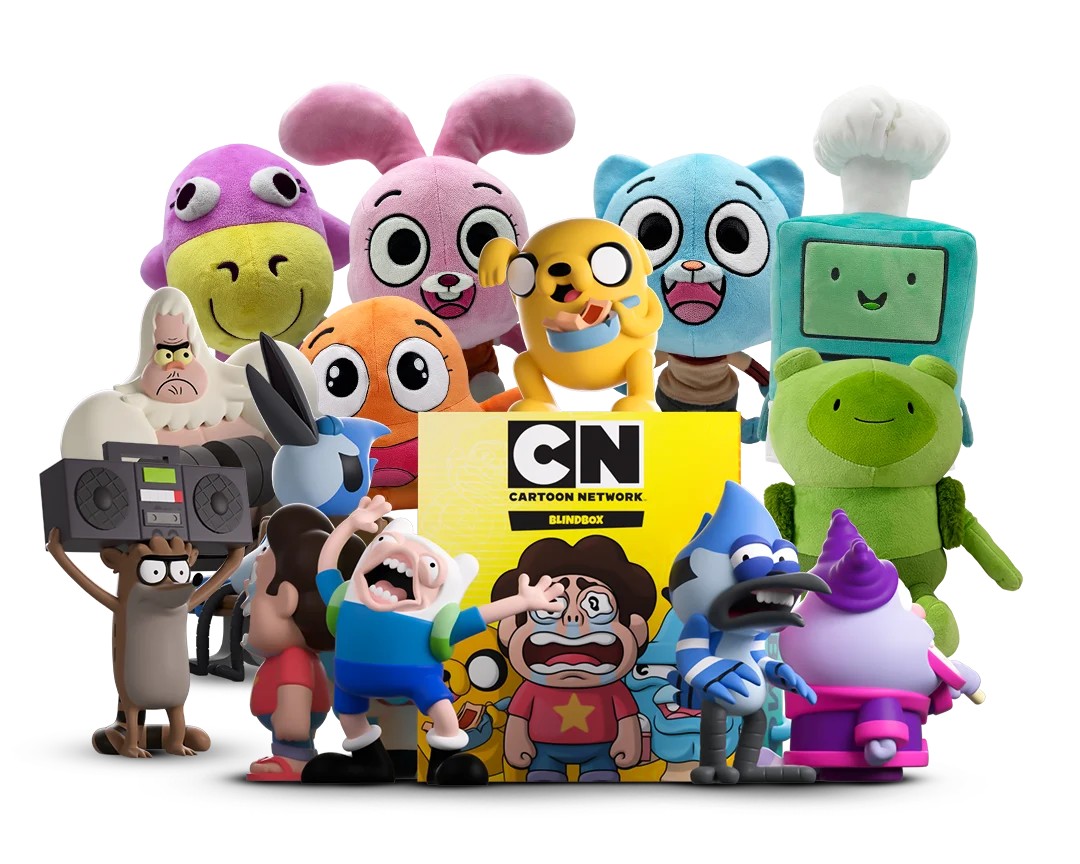
Collecting also has emotional value. A figure can connect someone to a favorite series, creator, game, or period in life. That meaning may justify the purchase without any resale upside. Trouble starts when personal attachment gets treated as guaranteed financial growth. Buyers should separate display pleasure from investment logic. If either reason stands alone, the decision becomes cleaner.
Hype can also distort how a collectible looks in the moment. Countdown pages, low stock labels, social posts, and sellout notices can create the feeling that you need to buy immediately. But early excitement does not always translate into lasting demand. Some items see strong attention around launch before resale prices settle.
That is why personal enjoyment matters. A collectible does not necessarily need to appreciate to be worth buying. If you genuinely want to own and display it, the purchase can still make sense even if its resale value drops later.
How to Judge the Market Before You Buy
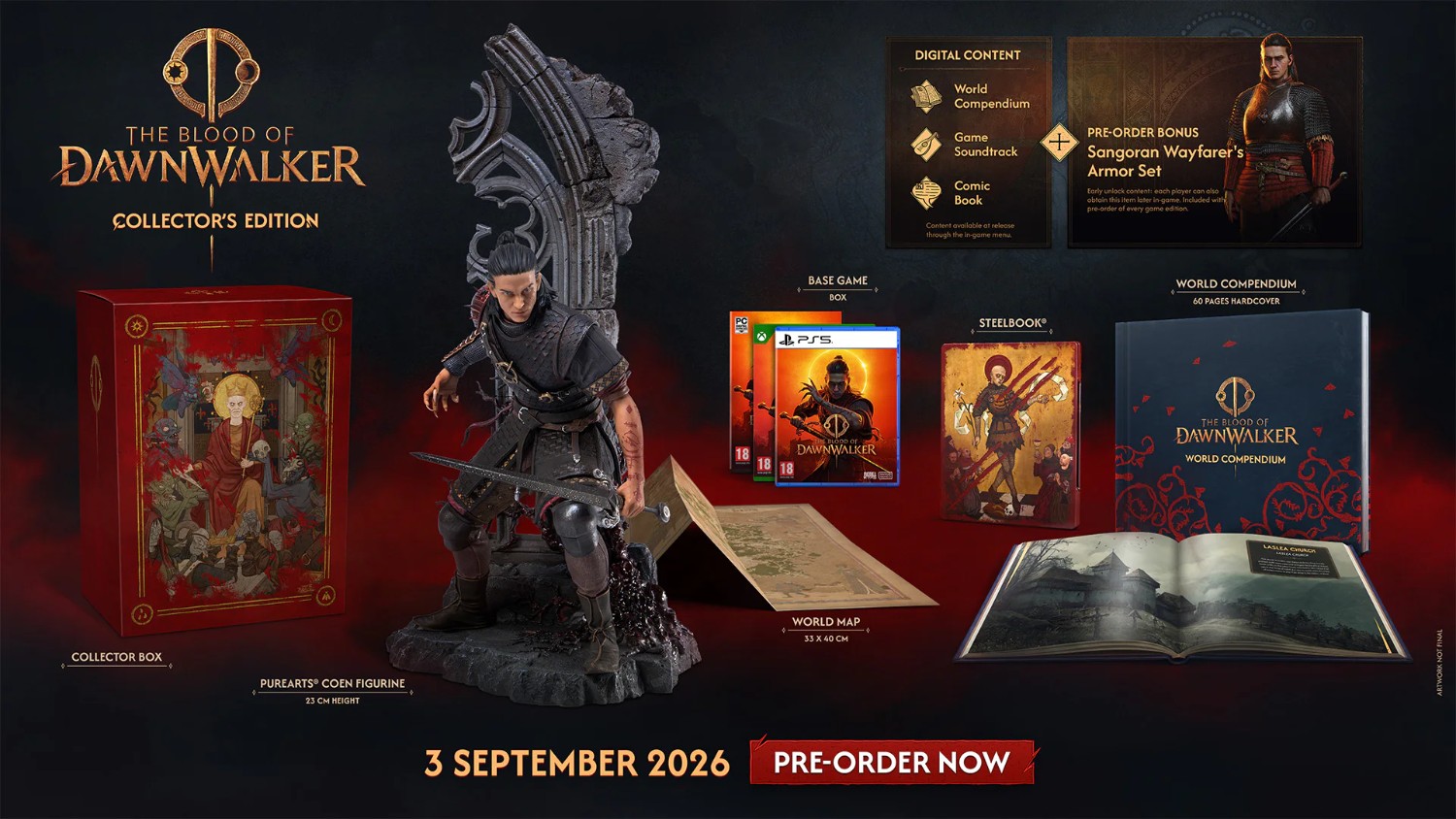
Market checks should be simple and evidence based. Review completed sales, release dates, edition notes, and collector discussions. Compare several platforms rather than trusting a single high listing. Watch how long items remain available and whether sellers keep lowering prices. A healthy market shows repeated sales at similar levels. Thin demand appears as stalled listings, steep cuts, and uneven pricing.
A buying rule protects both budget and enjoyment. Collectors can set a monthly limit, avoid debt, and skip purchases that require rushed decisions. One useful test is the downside case. If the item lost half its value, would ownership still feel acceptable? That question keeps risk visible. It also helps buyers avoid chasing every drop that appears scarce.
The best purchases are usually the ones where the numbers and the personal value line up. Someone who has checked actual sales, considered the full ownership cost, and would still be happy to keep the item has much less to regret than someone who bought it purely because they thought it would go up in value.
Conclusion
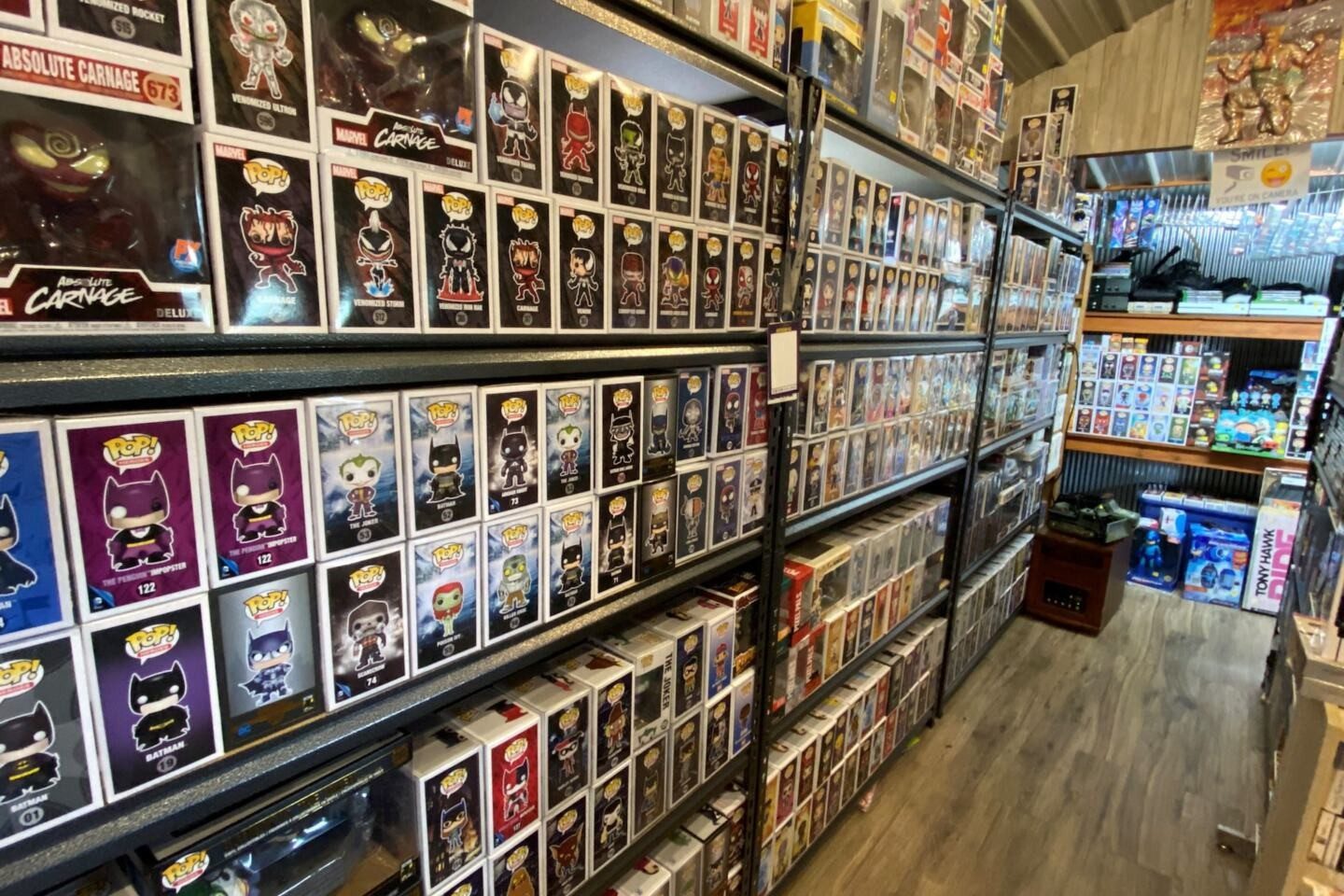
Limited edition collectibles can be worth the money when scarcity, demand, condition, license strength, and personal value line up. They become risky when buyers follow hype, ignore completed sales, or spend beyond a defined limit. The strongest purchase should satisfy both interest and evidence. A collector who would enjoy keeping the piece has a sounder position, with any future profit treated as extra.
Thanks! Do share your feedback with us. ⚡
How can we make this post better? Your help would be appreciated. ✍





 Join Our Community