

Story Highlights
- The global board game market is projected to be roughly $17 to $19 billion in 2026, with 9 to 12% annual growth forecast through the early 2030s.
- Modern design has shifted toward deeper decision-making, pulling in players who’d drifted toward video games.
- A strong theme is often what turns a decent ruleset into a game people actually keep talking about.
The board game aisle looks a lot different than it did twenty years ago, and the numbers behind that shift are worth a closer look.
Design And Crowdfunding Are Reshaping The Hobby
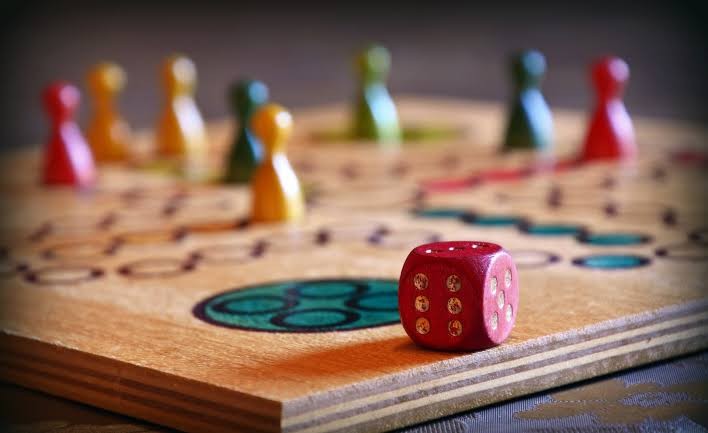
Part of the market’s growth comes down to design catching up with ambition. Multiple research firms, including Fortune Business Insights and Mordor Intelligence, put the global board game market at roughly $17 to $19 billion in 2026, with most forecasts projecting continued growth of 9 to 12% a year through the early 2030s.
Much of the mainstream market once centered on simple luck-driven formats or highly repetitive turn structures. Modern designers have broadened that landscape with systems built around meaningful choices.
Modern designers build around real decision-making, worker placement, deck building, area control, systems that reward planning without turning a two-hour game into homework. That shift pulled in players who’d drifted toward video games looking for something with actual depth, but still built for a table full of people.
Crowdfunding has become more than a financing tool. Platforms such as Kickstarter allow publishers to test demand, build communities before launch, and produce ambitious games with specialized components. The model also carries risks, including delays, fulfillment problems, and campaigns that prioritize spectacle over playability.
Themes Do More Work Than People Expect
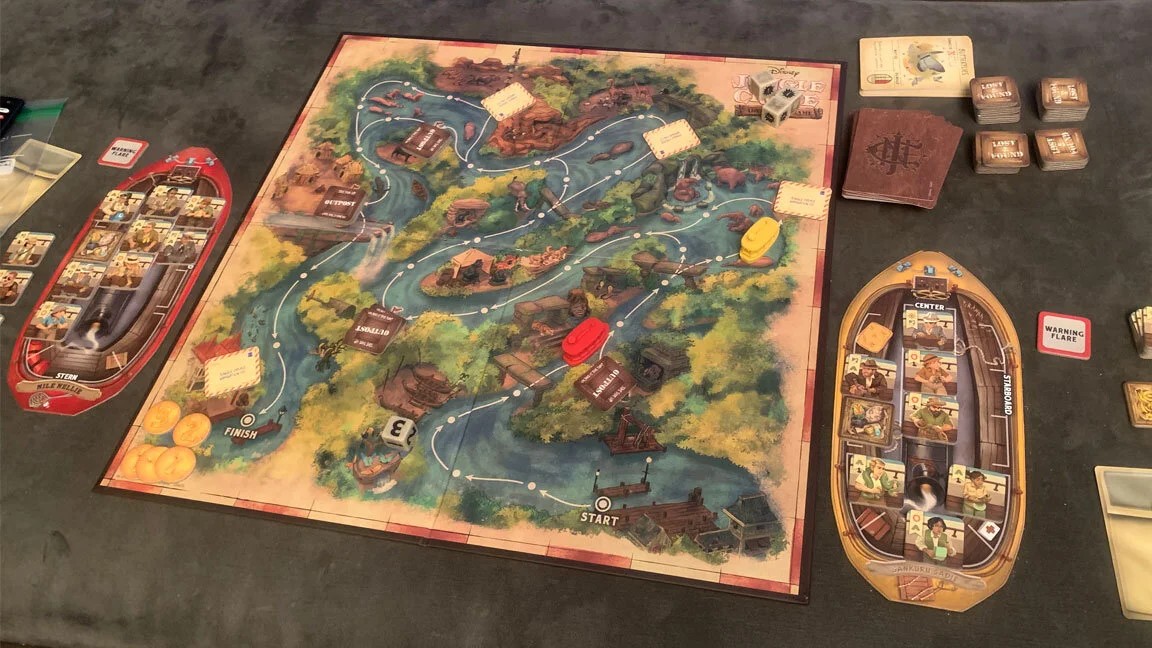
Mechanics get a game to the table once. Theme is often what keeps people coming back. Space exploration, heist capers, horror survival, fantasy kingdoms- they all give the same underlying systems a completely different feel.
A worker placement game about running a farm plays nothing like the same structure wrapped around smuggling contraband on a spaceship, even if the core mechanics are nearly identical on paper. Theme changes how players interpret their choices, understand the stakes, and remember the experience afterward.
That’s part of why niche themes keep finding an audience. Spinzino, for example, uses a dinosaur theme to turn competition into something playful, chaotic, and immediately recognizable. It’s a small example of a much larger pattern across the hobby: a strong theme turning a decent ruleset into something people actually want to talk about after the game ends.
A Hobby With Room For Everyone
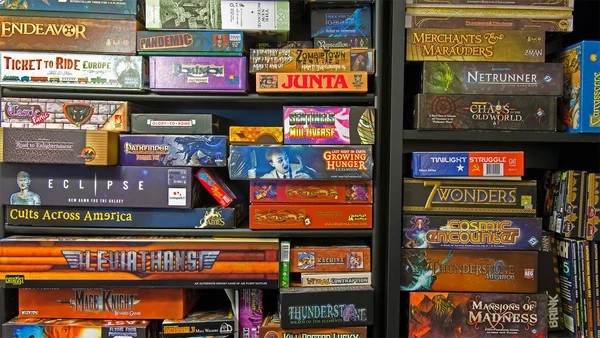
The most interesting feature of today’s board game landscape may be its range. A designer creating a four-hour strategy epic and one making a fifteen-minute party game are technically working in the same hobby, but they may be serving entirely different audiences.
That diversity is a strength. Cooperative campaigns, compact card games, social deduction titles, family games, and highly strategic simulations can all exist side by side. Instead of converging on one dominant format, the hobby continues to grow by offering more ways for people to play.
Thanks! Do share your feedback with us. ⚡
How can we make this post better? Your help would be appreciated. ✍






 Join Our Community